




Cat, Dog
January, 7 2026
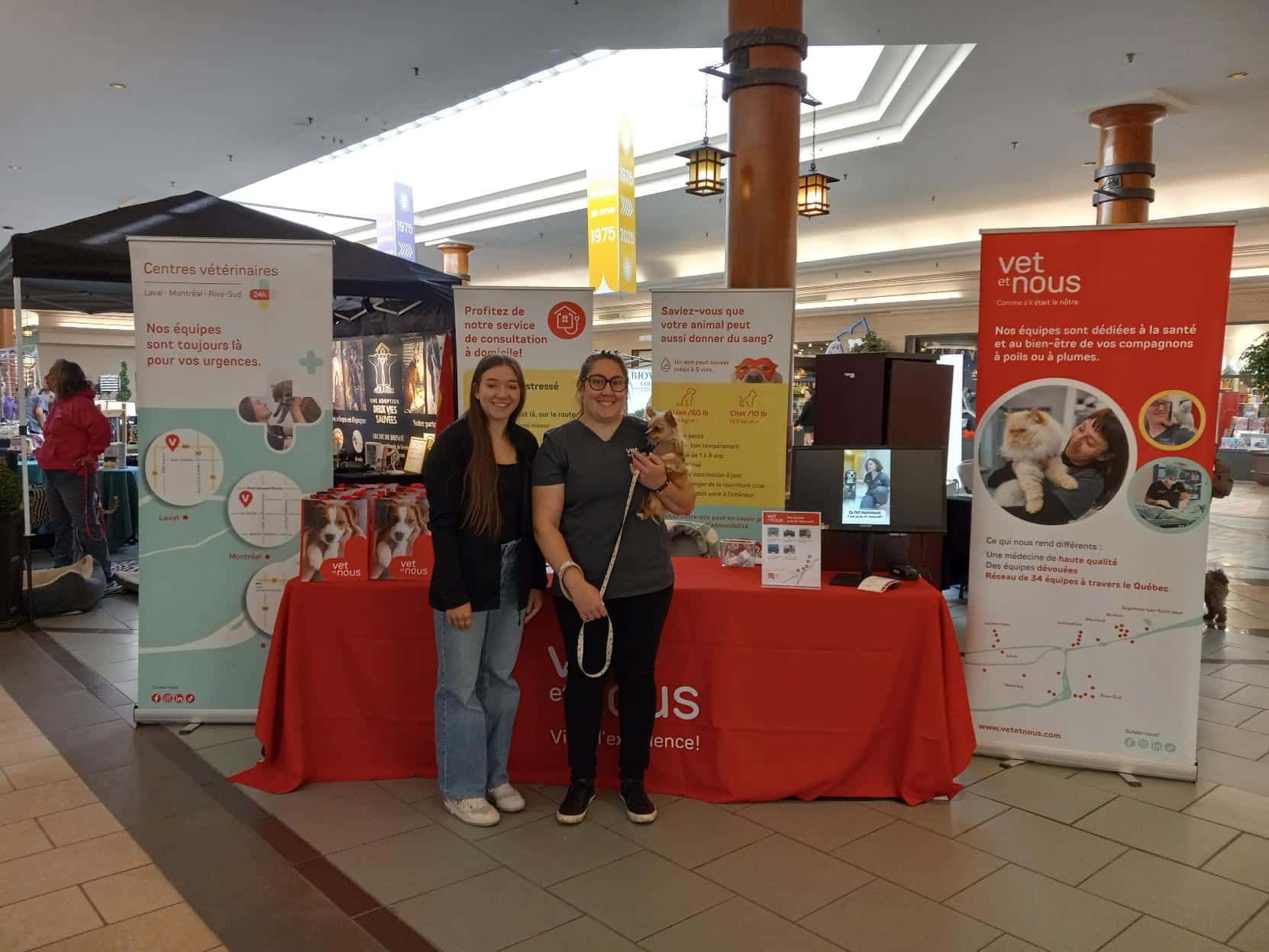
Over the past few months, our teams have taken part in several public events!
Over the past few months, our teams have taken part in several public events that highlighted our expertise, our commitment, and our close connection with local communities. National Pet Show We were pleased to attend the Salon National des Animaux...
More

Cat, Dog
December, 10 2025
This year our teams participated in multiple community involvment!
Over the past few weeks, our team has had the privilege of participating in several community initiatives that reflect our commitment to vulnerable populations and our local communities. These actions, made possible thanks to the dedication of our teams and...
More

Cat, Dog
November, 20 2025
Exercise
The Importance of Regular Exercise for Your Dog’s Physical and Mental Well-being Just like humans, dogs thrive on regular exercise to stay healthy, happy, and balanced. Exercise is essential not only for maintaining physical fitness but also for supporting mental...
More

Cat, Dog
November, 20 2025
Understanding Hip Dysplasia
What is Hip Dysplasia? Hip dysplasia is a common joint condition where the hip joint doesn't develop properly, leading to looseness (laxity) and misalignment of the femoral head and the hip socket. This can cause the femoral head to slip...
More

Cat, Dog
May, 29 2025
Holiday Safety Tips for Pets
The holidays are a time for decorations, guests, and delicious food—but they also bring new risks for your pets. To ensure a smooth and safe celebration for everyone, here are some important precautions: Keep Food Out of Reach: Never leave...
More
Cat, Dog
May, 29 2025
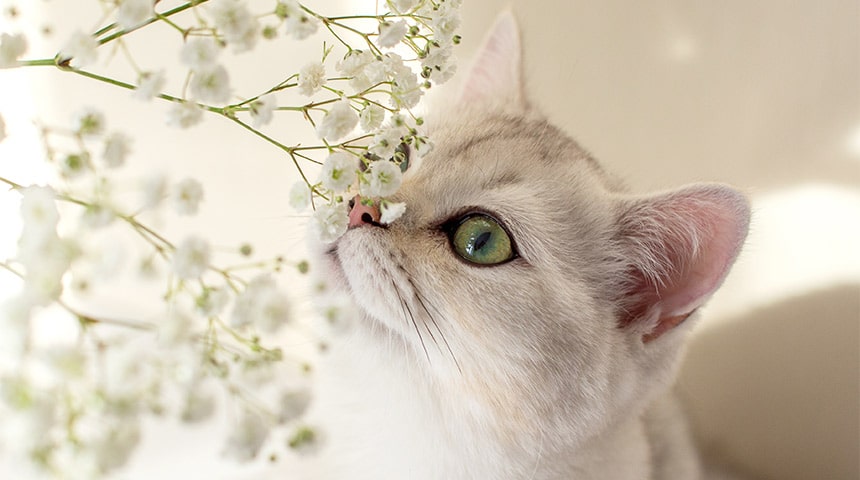
Toxic Plants for Pets: What to Watch Out For
Toxic Plants for Pets: What to Watch Out For If you have a cat or dog, it’s important to know which plants in your home or garden can be harmful to them. Many common plants are toxic to pets,...
More
Dog
May, 27 2025
Xylitol – A Threat to Buddy Over the Holidays!
Xylitol: A Hidden Danger for Pets The holidays often bring food and treats that pets can't resist. However, some seemingly harmless items, like candy or baked goods, can pose serious dangers. Xylitol, a common sugar substitute, is one of...
More
Dog
May, 27 2025
Why is it Important to Take Obedience Classes With Your Dog?
Why a Dog Training Class is Better Than Training at Home Training your dog is one of the most rewarding aspects of pet ownership, but many owners wonder if they can simply train their dog at home or if...
More
Search articles
Most recent articles

January, 7 2026
Over the past few months, our teams have taken part...

December, 10 2025
This year our teams participated in multiple community involvment!

November, 20 2025
Exercise