



The Importance of Regular Exercise for Your Dog’s Physical and Mental Well-being
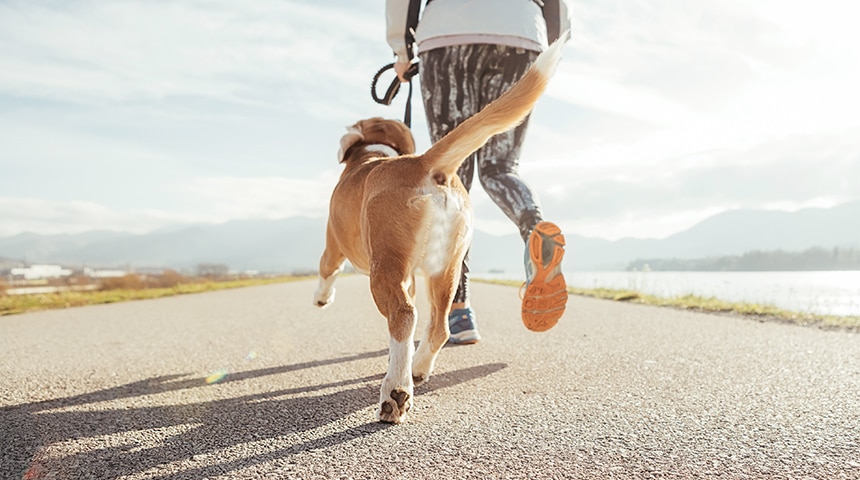
Just like humans, dogs thrive on regular exercise to stay healthy, happy, and balanced. Exercise is essential not only for maintaining physical fitness but also for supporting mental well-being. A dog that gets regular exercise is more likely to be well-behaved, content, and less prone to anxiety or destructive behaviors. But when it comes to walking and playtime, it’s important to consider more than just a daily stroll around the block. Here’s why regular exercise is so crucial for your dog, along with tips for making those walks and activities enjoyable and safe for both of you.
Physical and Mental Benefits of Exercise
Exercise is key to your dog’s physical health. Regular activity helps prevent obesity, strengthens muscles and bones, and supports cardiovascular health. It also helps to alleviate common issues like joint pain and stiffness, particularly in senior dogs or breeds prone to hip dysplasia.
But the benefits go beyond physical health. Dogs need mental stimulation, and exercise is one of the best ways to engage their minds. A walk isn’t just about the physical movement; it also provides an opportunity for your dog to explore, observe, and experience the world. The simple act of sniffing, for instance, stimulates your dog’s brain and provides essential mental enrichment. Allow your dog plenty of time to sniff around on walks—this is their way of “reading” the environment, processing information, and keeping their brain sharp.
Avoid the “Weekend Warrior” Syndrome
While it’s great to fit in an intense exercise session on the weekend, it’s important to avoid overloading your dog with too much activity at once. Just like people, dogs need regular, consistent exercise. Going for long, intense walks or hikes once a week (the "weekend warrior" syndrome) can lead to exhaustion, injury, or strain, particularly in older dogs or those not used to heavy exertion. Instead, aim for moderate activity spread throughout the week to keep your dog fit, healthy, and injury-free.
Play Safely with Ball Games
Playing fetch with your dog is a fantastic way to get them moving, but it’s important to choose safe, enclosed spaces for these games. Open fields or parks may be tempting, but they can pose risks like traffic, other animals, or uneven terrain. A secure, enclosed area allows your dog to run freely without danger. Additionally, be mindful of your dog’s energy levels during play. Short bursts of activity are great, but overly long sessions may tire your dog out or lead to joint stress.
Say No to Retractable Leashes
While retractable leashes might seem convenient, they can actually increase the risk of injury. The thin, often slippery cord can snap back unexpectedly, potentially causing cuts or abrasions, especially if your dog is pulling. Additionally, retractable leashes give dogs too much freedom, which can lead to situations where your dog might dart into traffic or hurt themselves. For walks, a traditional, sturdy leash is a safer choice and allows you to keep better control of your dog’s movements.
Incorporate Basic Obedience Training
Basic obedience training isn’t just for show—it’s a great way to make your walks more enjoyable and safer. When your dog knows essential commands like “sit,” “stay,” and “heel,” walks become easier to manage, and your dog will be more responsive in public spaces. Training also provides mental stimulation, which can tire your dog out in a positive way and reduce unwanted behaviors like pulling on the leash or excessive barking.
Exercise in All Seasons
Dogs are happy to exercise in most weather conditions, but it’s important to take precautions depending on the season.
- Winter: Many dogs enjoy walks in the cold, but salt on the roads can be painful for their paws. Be sure to wipe your dog’s paws after walks to remove salt and chemicals. You can also consider using booties to protect their feet from icy surfaces and sharp debris.
- Summer: Hot pavement can burn your dog’s paws and lead to overheating. When walking in summer, try to avoid walking during the hottest parts of the day. Early mornings or evenings are ideal for cooler temperatures.
Small Dogs Need Exercise Too
It’s easy to assume that small dogs don’t need as much exercise, but this couldn’t be further from the truth! Even smaller breeds need regular physical activity to stay healthy and burn off excess energy. Even short, 20-minute walks and interactive games can keep your little dog fit and happy.
Caution with Brachycephalic Breeds
Breeds with shortened noses—like Bulldogs, Pugs, and Shih Tzus—are more prone to overheating. Their flat faces make it more difficult for them to regulate their body temperature, so exercise should be kept moderate and always in cooler conditions. During warmer months, avoid intense physical activity, especially in hot weather, and ensure your dog has access to water and shade at all times.
Conclusion
Regular exercise is one of the best things you can do for your dog’s physical and mental well-being. It helps keep them fit, strengthens their bond with you, and reduces stress and anxiety. Whether it's a leisurely stroll, a fun game of fetch, or a short training session, make exercise a regular part of your dog’s routine. By being mindful of their breed, age, and the weather conditions, you’ll ensure that your dog remains healthy, happy, and safe while getting the exercise they need. So grab that leash, head outside, and enjoy the walk!