
When the Time Has Come…

Doc, do you think that the time has come?

Regularly, as veterinarians, we have to guide people in making the decision to euthanize their animal, which is always a heart-wrenching decision.

Unfortunately, many degenerative and disabling diseases result in a severe loss of quality of life and unacceptable suffering. The veterinarian is the best resource to support the owner in managing the end of life of their animal. The veterinarian will closely monitor the patient's health condition and will intervene to ensure maximum comfort and a good quality of life. He must also be aware of observations made at home by the owner.

Everyone assesses quality of life very differently and it can be difficult to measure perfectly. There are some indicators of quality of life. Dr. Alice Villalobos developed the 5H and 2M guidelines: Hurt, Hunger, Hydration, Hygiene, Happiness, Mobility and More good days than bad.

Using these indicators, the veterinarian and owner can determine together if the animal is in pain, if he's eating and drinking enough, if he's grooming himself daily, if he's alert, and if he's interacting. Is it able to walk well, how many good days are there versus bad days? What is a good day? etc.

Based on the quality of life analysis, a decision can be made to continue treatment or to choose euthanasia. Obviously, other elements may be considered, such as the animal's tolerance to the therapies, or the owner's skill and ability to administer medication.

These considerations about euthanasia, palliative treatment, and evaluation of quality of life are of paramount importance to any pet owner. By teaming up with your veterinarian, you can ensure that the best will always be done for your pet's comfort and well-being.
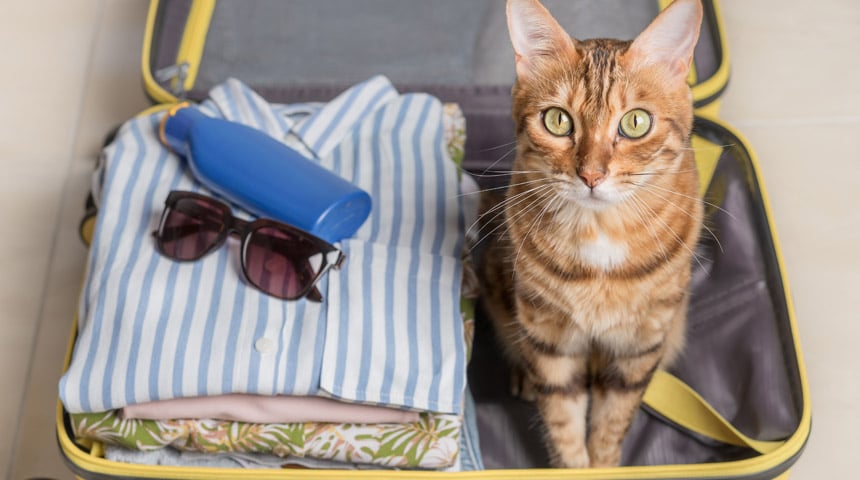

 

Kitty’s Vacation

You have planned a trip abroad or you are going away for a few days?

You have thought of everything: bags are  packed, the neighbour will come and feed the cats. No problem, your cats don't go outside, they are young and healthy... Be careful, appearances can be deceiving!

A frequent situation: the neighbour comes over but never sees the cats. They stay hidden, but the food dishes go down.

In preparation for your departure, it would be wise not to try out any new food in case the cats refuse to eat it. A cat that goes three days without eating will develop liver changes. It may be difficult to restore her appetite if the situation persists! If Kitty is given medication, make sure her guardian is comfortable administering it and understands the instructions and possible side effects. Did you know that some products are available to reduce anxiety and therefore stress in cats? Synthetic hormones can be released into the environment with diffusers in preparation for your departure. Hydrolyzed milk protein capsules that are added to their food help create a calming effect.

Watching someone else's cats is a responsibility that should not be taken lightly. The guardian should spend enough time with your cats to know what is going on with them. They should clean the litter box(es) daily to check the amount of urine and feces. They should inspect the house to see if the cats have been chewing on things, or if they have knocked over or broken things and are in danger of hurting themselves.

When in doubt, leave your veterinarian contact information with your guardian. Calling the clinic does not automatically mean a trip will happen!

Your guardian should also be able to reach you in case of a problem, whether by phone, text or email. If this is not possible, you should leave clear instructions. What care do you allow? What if the cat needs to be hospitalized? Or needs surgery? How much money are you willing to spend? Talking about possible problems can save a lot of trouble for the person who is so kind and dedicated enough to taking care of your cats while you are soaking up the sun!

Furthermore, if Kitty's condition is critical, your guardian may be faced with the decision to euthanize... a simple discussion beforehand can save a lot of trouble!

As they say, an ounce of prevention is worth a pound of cure!


Clinique Vétérinaire Hochelaga

Your pet is a member of your family and ours; it is a best friend, and even a confidant!

That's why our dedicated team of veterinarians, technicians, assistant technicians and receptionists is always there, ready to care for your pet and give you the most appropriate advice to ensure its well-being and health.

Let’s Go Outside!

Summer is just around the corner and Kitty is starting to crave some freedom? Do you wish for your cat to go outside and "let loose" so that he can be calmer at home? Whether the idea comes from you or your cat, there are a few things to keep in mind before letting Kitty out.

First of all, make sure your cat has appropriate identification. Whether it is with a custom tag or a medal associated with the rabies vaccine, for example, make sure that the information registered enables us to contact you if your cat gets lost. You should know that it is also possible to have a microchip implanted under your cat's skin. This microchip, unique to your cat, can only be read with a special reader available at the SPA and veterinary clinics.

You should be aware that there are more dangers for an outdoor cat than one that stays inside. He will encounter many animals, some of which may be less friendly and could inflict injury. For example, a bite can lead to the transmission of certain diseases such as feline leukemia, feline AIDS and rabies. Other more contagious diseases can also threaten Kitty if he is not adequately protected. There are vaccines against most of these viruses, so ask your veterinarian for a vaccination plan adapted to Kitty's lifestyle!

A favourite activity of cats who go outside is, without a doubt, hunting! In fact, Kitty will gladly bring you some trophies back! But hunting does not have only positive aspects; because most preys are carrying parasites, often in the form of larvae encysted in their muscles. These larvae finish growing in your cat's body, which then becomes host to "intestinal worms". There are several types of parasites, and some are transmissible to humans. Therefore, it is important to have a stool analysis done every year and to give the appropriate deworming treatments.

In addition to internal parasites, your cat can also become a host to external parasites. Fleas, ear mites, body mites and ticks are among the parasites that can contaminate your environment, bite you, or even transmit certain diseases. It is crucial to protect your pet from these "invaders" during the summer months, from June to November.

In closing, keep in mind that despite the associated hazards, the outdoors offers your cat plenty of stimuli and places to explore that will satisfy her hunting and activity needs. She'll likely return home happy and relaxed.

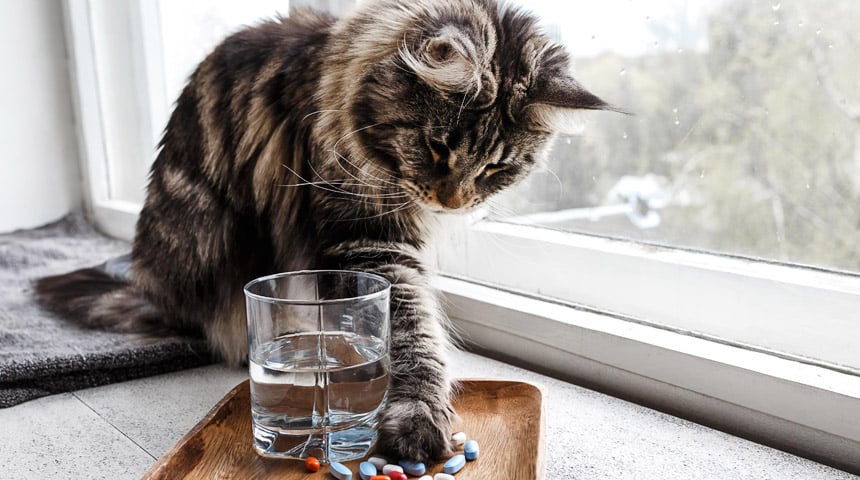
Time for Medication – or Time to Fight?

Kitty comes back from the vet and needs to receive medication? You start administering the medication and everything goes well after a few days! You may be tempted to stop the treatment because pill time turns into rodeo time with Kitty… Bad idea!

Studies have shown that a certain percentage of people do not follow the prescribed dosage and/or duration of treatment.

Here are a few mistakes observed over time:

  • Giving a double dose to make up a skipped dose
  • Giving a double dose in the morning instead of the normal dose morning and evening
  • Modify the dosage of a given product in decreasing doses


If your vet has taken the time to prepare a treatment plan, it is important to follow it! This plan takes into account the issue targeted and how long the product will be effective. Failure to follow the treatment plan properly can lead to poor results, adverse reactions and dissatisfaction with veterinary care…

If Kitty is very resistant to the pills, don't hide them in her food; she will most likely detect them. Not only will she not take them, but she may become suspicious of her food later on. You'll then have two issues to deal with!

There are alternative solutions:

  • Specially made treats to hide pills in
  • Pill launcher
  • Some medications are available in injection form


Make sure you understand Kitty's illness. Don't hesitate to ask questions if you don't understand why some of the medications have been prescribed. Ask for a treatment demonstration if necessary. Tell your veterinarian if you cannot keep to the dosing schedule. The treatment's success depends on it. It also prevents antibiotic resistance (when an antibiotic is involved). Keeping a treatment log can also be useful if several members of the household are involved in administering the medication.

However, tell your veterinarian if the medication seems to be poorly tolerated by your cat.

With proper management, Kitty will have every chance to get better!


Hôpital Vétérinaire du Boisé

Your pet is a member of your family and ours; it is a best friend, and even a confidant!

That's why our dedicated team of veterinarians, technicians, assistant technicians and receptionists is always there, ready to care for your pet and give you the most appropriate advice to ensure its well-being and health.

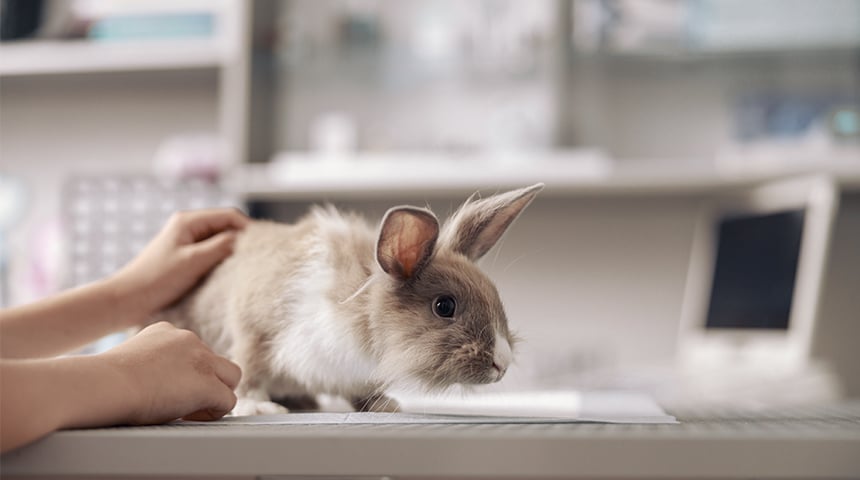
Have You Heard of Rabbit Hemorrhagic Disease?

This new disease saw its first case in Quebec last July but has been around for some time in Europe.

It's a potentially fatal disease that only affects rabbits and hares, and is not contagious for other pet species, nor for humans.

For your rabbits, on the other hand, this disease is highly contagious and can be transmitted via clothing, shoes, or any other direct or indirect contact.

Studies even show that it stays in the environment for a long time.

Note that rabbits can catch it even if they don’t go outside, if their owner has contact with other non-vaccinated rabbits.


What can you do to prevent this disease?

Fortunately, a vaccine has been developed to protect your rabbits! It can be administered from 10 weeks of age and is effective within 7 days of administration.

As the vaccine has been developed and tested in Europe for several years, we are confident of its efficacy and safety.

Please note that booster shots are required annually, to prolong its efficacy.


What types of rabbits should receive this vaccine?

  • Rabbits in contact with several other rabbits (boarding, show, breeder, etc.),
  • Rabbits whose owners are in contact with rabbits that are not theirs,
  • Rabbits with access to the outdoors, and
  • Newly adopted rabbits, regardless of their origin (shelter, breeder, private owner).

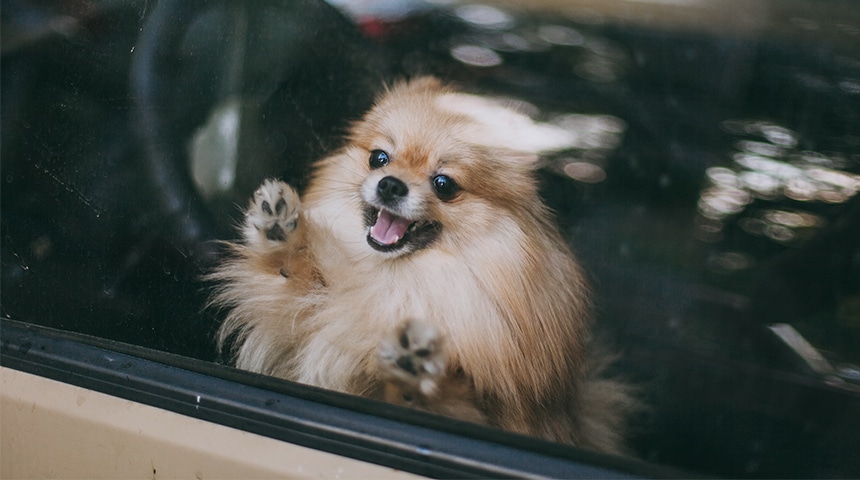
It Gets Hot in the Car!


It Gets Hot in the Car! Keep Your Pet Safe in Hot Weather

On warm days, leaving your pet in the car—even for just 5 to 10 minutes—can quickly become life-threatening. The temperature inside a vehicle rises alarmingly fast, and pets are especially vulnerable to heat. In fact, within just 10 minutes, the temperature inside your car can soar to 1.5 times the outside temperature, significantly increasing the risk of heatstroke and other heat-related illnesses.

Unlike humans, pets can't cool themselves by sweating. Instead, they rely on panting, and to a lesser extent, heat loss through their paws and ears. This makes it far more difficult for them to regulate their body temperature, and they can overheat rapidly.

Even if your car is parked in the shade, the temperature inside can still climb to dangerously high levels. Rolling down the windows might not help as much as you think—pets can still suffer from heat stress.

When it’s hot outside, the safest option is always to leave your pet at home while you run errands. Always remember: a few minutes in a hot car can be a matter of life or death for your pet.

Please prioritize your pet’s safety and comfort by keeping them cool and safe at home during the warmer months.

What to Do If You See a Pet Left in a Hot Car

If you spot a pet left alone in a car on a hot day, it's important to take action quickly. Here’s what you can do:

  1. Note the Vehicle's Information: Record the license plate number, make, and model of the vehicle.
  2. Notify the Nearby Businesses: Alert nearby store or restaurant managers so they can make an announcement and try to locate the pet's owner.
  3. Call the Police: If the animal appears to be in distress, contact the local authorities to report the situation.
  4. Stay Close: Remain by the car and monitor the situation until help arrives.

What to Do If Your Pet Suffers from Heatstroke

If you realize your pet has been exposed to extreme heat, prompt action is critical. Here's what to do to help them:

  1. Get Them Out of the Car: Move your pet out of the hot vehicle as quickly as possible.
  2. Offer Fresh Water: Give your pet cool, fresh water to help rehydrate.
  3. Cool Them Down: Place your pet in a cool area and apply wet towels to their head, neck, abdomen, and legs. Running cool water over these areas can also help lower their temperature.
  4. Call Your Veterinarian: Contact your vet immediately for advice and further instructions. Heatstroke can be life-threatening, so it's important to get professional care as soon as possible.

Stay Safe This Summer

When the temperatures rise, it's crucial to remember that even brief periods in a hot car can be dangerous for your pet. Even during short errands, it is safer to leave your pet at home.

If you see a pet in distress, by taking quick action, you can help prevent heatstroke and other heat-related health issues.