
November : Geriatrics Month

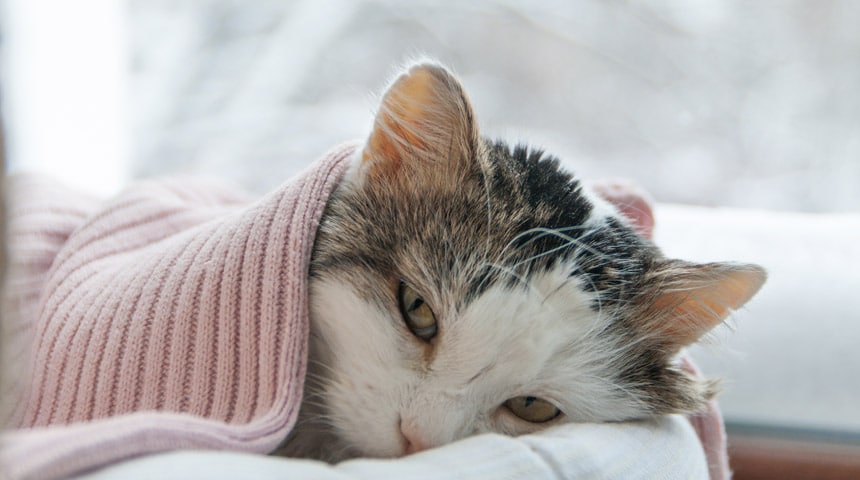
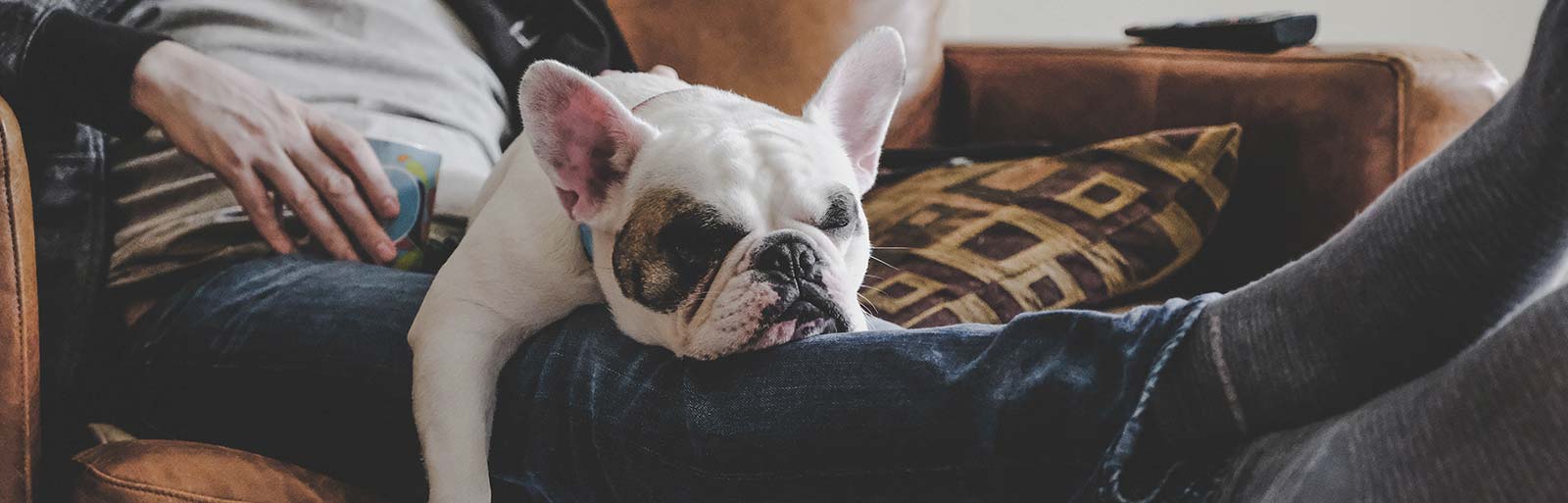
You have decided to adopt him, to love him and to provide him with the best care until the end of his life. But did you know that on average, animals are considered geriatric from the age of 7 years old?

To help you better care for your aging animal, we recommend the following:

  • Providing food adapted to senior cats and dogs.
  • Ensuring your animal remains active to prevent obesity.
  • Setting up a cozy spot for him, to help him with morning stiffness.
  • Paying special attention to his gait and his playing time, which can diminish over the years.
  • Making an appointment with your veterinarian for a health check-up and blood work if you notice any changes in his coat, appetite, water intake, urination, breathing, etc.
  • Maintaining good oral health.

Food for older animals includes specific amounts of nutrients. It is important to provide an adequate diet so that the animal can maintain muscle mass and joint mobility, and keep sufficient energy levels while staying at a healthy weight.

Remember that mature dogs and cats become less tolerant of heat and cold. In addition, their vision, sense of smell and hearing can be impaired with age. Certain changes in the household may seem trivial to you, but for them, it can cause enormous stress.

If you are concerned about your pet's general health, if you think your pet has osteoarthritis, or if he seems disoriented, don't hesitate to contact your veterinarian.
Under Pressure

Did you know that Max can suffer from hypertension? The most common causes of high blood pressure in cats are hyperthyroidism and chronic renal failure. Sometimes, there is no specific cause; this is called idiopathic hypertension.

Hypertension affects:

  • 2% of all cats, and 9% of cats older than 10
  • 80% of cats with hyperthyroidism
  • More often males than females

This condition is called the "silent killer" because Max may suffer from it without showing any symptoms. However, his eyes, brain, heart and kidneys are at risk of damage. Hypertension over 200 mm can cause retinal detachment. Cardiac hypertrophy develops within one month of chronic hypertension appearing. As a result, 42% of hypertensive cats will also have a heart murmur or arrhythmia. As well, 92% of cats with high blood pressure also have kidney disease at the onset. They may also show changes in mental status due to brain damage.

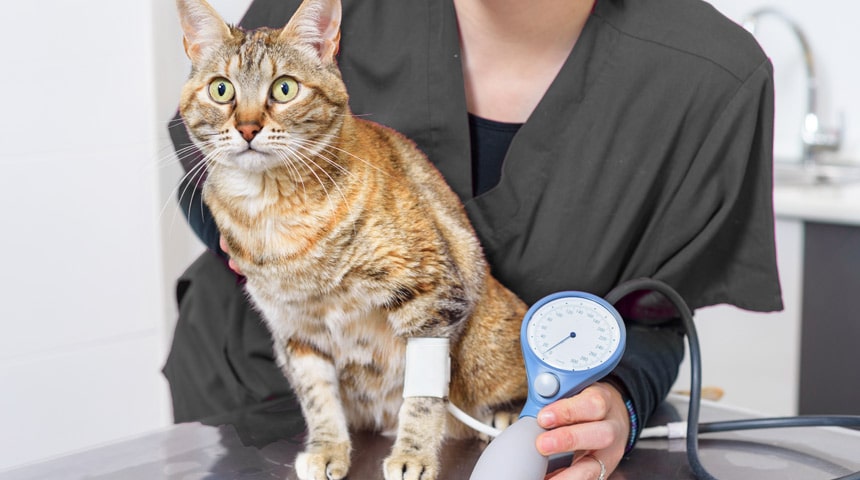
A diagnosis is made with a device similar to the one used for humans, but adapted for pets. An adequate measurement may be difficult to obtain if Max is under a lot of stress when being handled.

How is hypertension treated?

  • By addressing the primary cause, for example by treating hyperthyroidism if present.
  • By avoiding foods that are rich in sodium, especially cat treats!
  • By putting Max on a weight-loss diet to control his obesity.
  • By prescribing medication with blood pressure monitoring. Pressure should be monitored regularly until normal values are achieved. Afterwards, it is best to have blood pressure checked 2 to 4 times a year.


How to Plan Kitty’s Annual Visit

Pour beaucoup de chats, la visite annuelle chez le vétérinaire est la seule occasion de sortir de la maison pendant l’année! Le chat étant un animal très routinier, cette sortie peut s’avérer très stressante pour lui. Pour permettre une sortie chez le vétérinaire la plus agréable possible autant pour le chat que pour les parents, voici quelques recommandations pour le transport de Minou.

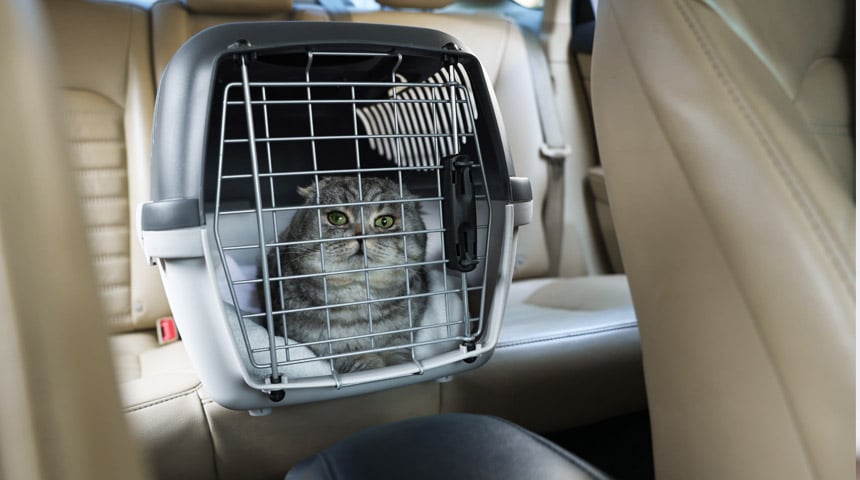
Tout d’abord, il est important de se procurer une cage de transport qui convient bien à votre animal. Pour votre sécurité ainsi que celle de votre chat, évitez de le laisser en liberté dans la voiture pendant le trajet ou encore sur les jambes de votre passager. L’utilisation d’une cage de transport est la façon la plus sécuritaire et rassurante pour les déplacements avec votre chat. Cette cage de transport doit être assez grande pour que le chat puisse se tenir debout. Celle-ci devrait idéalement être munie d’un couvercle facile à retirer ou encore d’une ouverture par le dessus. Il sera beaucoup plus simple et moins stressant de sortir Minou de sa cage une fois en salle de consultation.

Pour éviter une association négative avec la cage de transport, on recommande de laisser la cage dans l’environnement du chat pour qu’elle puisse être utilisée comme cachette. Disposez-la dans un endroit calme, idéalement en hauteur, déposez-y une couverture confortable et retirez la porte. Chaque jour, déposez-y une gâterie et la journée du rendez-vous, optez pour une super gâterie. Ainsi, la cage deviendra un endroit sécuritaire et apaisant pour le chat.

Dans la voiture, il est très important de fixer la cage à l’aide d’une ceinture de sécurité. Pendant le trajet, une couverture peut être déposée sur la cage et surtout, il est important de ne pas répondre ou parler à Minou s’il vocalise!

Une fois de retour à la maison, s’il y a d’autres animaux, le chat devrait être isolé dans une pièce pendant environ 5 heures. De cette façon, il aura le temps de refaire sa toilette et remettre son odeur pour faciliter l’acceptation des autres chats de la maison. Vous pouvez aussi lui offrir une couverture avec l’odeur des autres animaux pour accélérer le processus. La réintroduction devrait se faire avec une association positive (ex.: offrir un repas de nourriture en conserve à chaque animal et ouvrir la porte de la pièce). Par la suite, reprenez votre routine habituelle. Il sera rassurant pour votre chat de retrouver ses habitudes.

Finalement, lavez la cage ainsi que la couverture au retour pour éliminer toutes les phéromones d’alarmes que votre chat aurait pu y déposer pendant le transport avant de la remettre dans son environnement (et surtout pas dans le garde-robe du sous-sol jusqu’au rendez-vous de l’an prochain!)

When the Time Has Come…

Doc, do you think that the time has come?

Regularly, as veterinarians, we have to guide people in making the decision to euthanize their animal, which is always a heart-wrenching decision.

Unfortunately, many degenerative and disabling diseases result in a severe loss of quality of life and unacceptable suffering. The veterinarian is the best resource to support the owner in managing the end of life of their animal. The veterinarian will closely monitor the patient's health condition and will intervene to ensure maximum comfort and a good quality of life. He must also be aware of observations made at home by the owner.

Everyone assesses quality of life very differently and it can be difficult to measure perfectly. There are some indicators of quality of life. Dr. Alice Villalobos developed the 5H and 2M guidelines: Hurt, Hunger, Hydration, Hygiene, Happiness, Mobility and More good days than bad.

Using these indicators, the veterinarian and owner can determine together if the animal is in pain, if he's eating and drinking enough, if he's grooming himself daily, if he's alert, and if he's interacting. Is it able to walk well, how many good days are there versus bad days? What is a good day? etc.

Based on the quality of life analysis, a decision can be made to continue treatment or to choose euthanasia. Obviously, other elements may be considered, such as the animal's tolerance to the therapies, or the owner's skill and ability to administer medication.

These considerations about euthanasia, palliative treatment, and evaluation of quality of life are of paramount importance to any pet owner. By teaming up with your veterinarian, you can ensure that the best will always be done for your pet's comfort and well-being.


Kitty’s Vacation

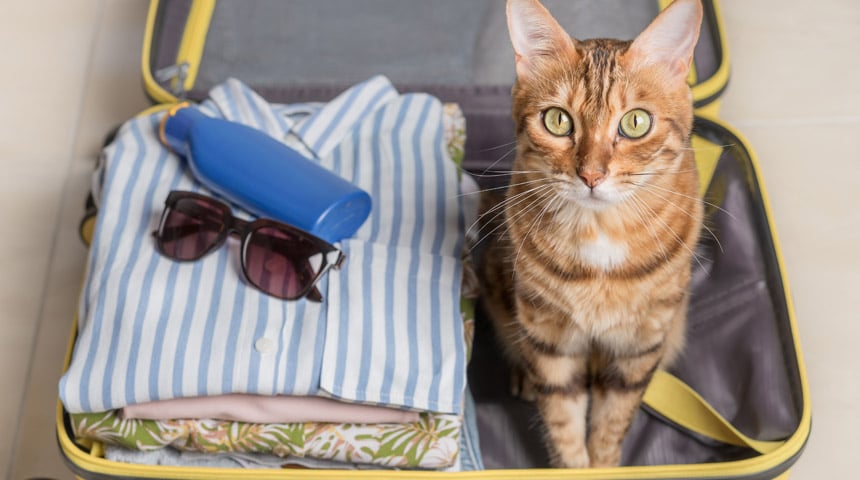
You have planned a trip abroad or you are going away for a few days?

You have thought of everything: bags are  packed, the neighbour will come and feed the cats. No problem, your cats don't go outside, they are young and healthy... Be careful, appearances can be deceiving!

A frequent situation: the neighbour comes over but never sees the cats. They stay hidden, but the food dishes go down.

In preparation for your departure, it would be wise not to try out any new food in case the cats refuse to eat it. A cat that goes three days without eating will develop liver changes. It may be difficult to restore her appetite if the situation persists! If Kitty is given medication, make sure her guardian is comfortable administering it and understands the instructions and possible side effects. Did you know that some products are available to reduce anxiety and therefore stress in cats? Synthetic hormones can be released into the environment with diffusers in preparation for your departure. Hydrolyzed milk protein capsules that are added to their food help create a calming effect.

Watching someone else's cats is a responsibility that should not be taken lightly. The guardian should spend enough time with your cats to know what is going on with them. They should clean the litter box(es) daily to check the amount of urine and feces. They should inspect the house to see if the cats have been chewing on things, or if they have knocked over or broken things and are in danger of hurting themselves.

When in doubt, leave your veterinarian contact information with your guardian. Calling the clinic does not automatically mean a trip will happen!

Your guardian should also be able to reach you in case of a problem, whether by phone, text or email. If this is not possible, you should leave clear instructions. What care do you allow? What if the cat needs to be hospitalized? Or needs surgery? How much money are you willing to spend? Talking about possible problems can save a lot of trouble for the person who is so kind and dedicated enough to taking care of your cats while you are soaking up the sun!

Furthermore, if Kitty's condition is critical, your guardian may be faced with the decision to euthanize... a simple discussion beforehand can save a lot of trouble!

As they say, an ounce of prevention is worth a pound of cure!


My Cat Doesn’t Drink; Should I Be Worried?

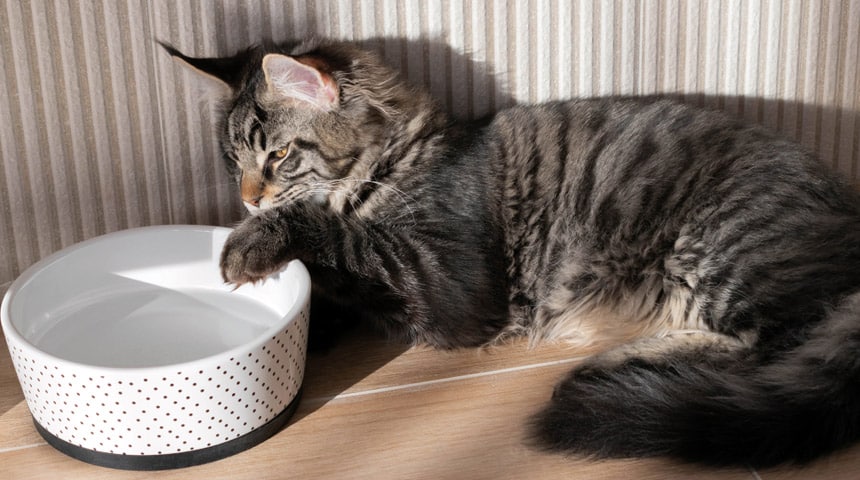
Felines are animals with a very high renal urine concentration capacity. Your cat must drink to survive, but the amount of water consumed may be so minimal that you hardly notice it. This is not a cause for concern, but it is worth paying attention to. In fact, in many cats we find a very high urinary density which suggests an increase in the concentration of minerals, ions and harmful substances in the urine; these substances are all predisposing factors for the formation of sand, stones or cystitis. This innate behavior of the cat can therefore promote the development of lower urinary tract diseases, with all the consequences that follow.

It's important to make sure that Kitty gets as much water as possible, every day. You can help by adding canned food to her diet, or by adding water to her kibble. In addition, you'll need to make sure there's always fresh water in a bowl that's always full. The bowl can be made of glass, stainless steel or ceramic, and should be large enough to prevent your cat's whiskers from touching the rim. Some cats will prefer to drink from the tap (cats like moving water), so they may like the small drinking fountains sold in many stores.

Tap water is perfectly adequate; you can also choose spring water or even filtered water, depending on your cat's taste.

So keep an eye on your cat's water intake and, as always, ask your veterinarian for advice on how to best care for your cat.

Sweet, Sweet Kitty!

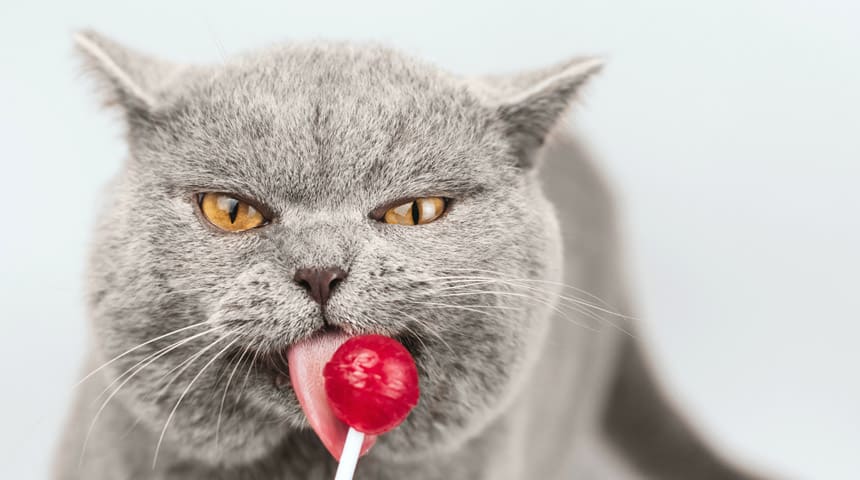
Is your cat pleasantly plump? Be careful, however: being overweight or obese can predispose her to diabetes.

The classic signs to watch for: Kitty's thirst increases above normal, the amount of urine produced increases, and her appetite increases. Kitty may eventually lose weight and her health may decline. Other symptoms may include lethargy, vomiting, etc.

The diagnosis will be confirmed if her blood test shows a marked increase in blood sugar levels. Kitty's urine will need to be tested. Your veterinarian will expect to find glucose (sugar) but will want to make sure there are no ketones (body waste by-products) and no signs of urinary tract infection.

The best way to control cat diabetes is with insulin combined with a low-carbohydrate, high-protein diet. Oral hypoglycemic drugs work in only 25% of cats. They are most efficient on cats in good condition and haven't lost a lot of weight. Insulin syringes have tiny needles! Don't get discouraged too quickly, try handling them first. It's a technique that can be learned faster than it looks.

Controlling inflammatory sites (e.g., tartar, urinary tract infection) and bringing Kitty back to a healthy weight will contribute to improve her blood glucose control. Fatty tissue produces about 50 substances, including inflammatory substances. All inflammatory sites can cause relative insulin resistance, which results in poor diabetes control.

Two out of three cats have good blood glucose control, but it takes a certain amount of discipline when it comes to treatment and blood glucose charts, both at home and at the clinic.

With some luck, Kitty may go into remission. When this happens, it is usually within 4 to 6 months of starting treatment. However, Kitty will always be at risk for relapse.


Clinique Vétérinaire Hochelaga

Your pet is a member of your family and ours; it is a best friend, and even a confidant!

That's why our dedicated team of veterinarians, technicians, assistant technicians and receptionists is always there, ready to care for your pet and give you the most appropriate advice to ensure its well-being and health.