
Winter Care for Cats: Keeping Your Feline Friend Warm and Safe


Winter is a beautiful time of year, but it can be a tough season for our feline companions—especially for those who enjoy spending time outdoors. The cold temperatures, snow, and icy conditions can be hard on cats, whether they’re indoor or outdoor dwellers. Fortunately, with a little preparation, you can ensure your cat stays cozy, safe, and healthy throughout the colder months.

Tips for Keeping Indoor Cats Warm and Happy

If your cat prefers the indoors during winter, there are still some important steps you can take to make sure they stay comfortable.

  • Create a Cozy Sleeping Spot
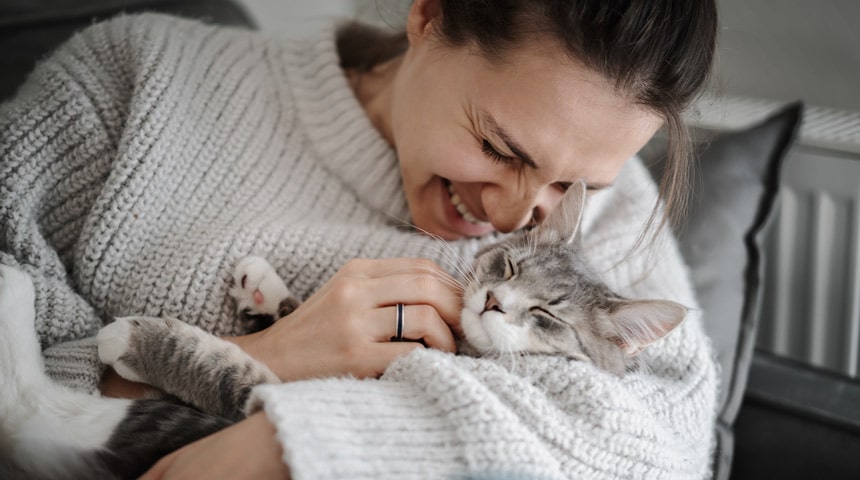
    Provide your cat with a warm bed where they can curl up and stay warm. Add plenty of blankets or soft bedding to make the space extra inviting. Cats love to find the coziest spots, so try placing their bed in a corner away from cold drafts or windows.
  • Encourage Indoor Exercise
    Winter often means fewer outdoor adventures for indoor cats, so it’s important to keep them active and engaged. Provide a variety of toys, scratching posts, and climbing trees to encourage play and physical activity. This not only helps keep them fit but also prevents boredom.
  • Regular Grooming
    Brushing your cat regularly is essential during the winter months. It removes dead hair, reduces matting, and helps distribute natural oils that keep their coat insulated and healthy.

Tips for Keeping Outdoor Cats Safe in Winter

For cats that spend time outside, winter can pose additional challenges. Here’s how to ensure their safety and comfort:

  • Provide Insulated Shelter
    If your cat lives outdoors, make sure they have access to a well-insulated shelter. It should be raised off the ground to prevent cold and moisture from seeping in. The shelter should be protected from wind and snow, with a small entrance to retain warmth. You can even add straw or blankets inside for extra insulation.
  • Warm Bedding
    Offer plenty of warm bedding for your outdoor cat. Straw is a great choice because it doesn’t retain moisture, but you can also use blankets. Just be sure to check the bedding regularly to ensure it stays dry and comfortable.
  • Keep Water Fresh
    Ensure that your cat always has access to fresh, unfrozen water. Consider investing in a heated water bowl to keep the water from freezing or check the bowl frequently and replace it with fresh water.
  • Monitor Health
    Regularly check your outdoor cat for signs of frostbite, especially on their ears, tail, and paws. If their coat becomes matted or wet, dry it off as soon as possible to prevent them from getting chilled. A well-maintained coat is crucial for keeping them warm.

General Winter Tips for Cats

Regardless of whether your cat is indoors or outdoors, there are some universal tips to help them stay safe and warm during the winter months:

  • Gradual Exposure
    If you’re planning to let your indoor cat explore the outdoors during the winter, ease them into the cold gradually. Sudden exposure to extreme temperatures can be shocking to their system, so allow them to get used to the cold in short increments.
  • Paw Protection
    While paw care is more commonly associated with dogs, it’s worth considering for cats too. If your cat goes outdoors, using a paw balm can help protect their paws from the harsh winter elements like salt and ice. If they’re strictly indoors, keep their paws clean and free of debris.
  • Healthy Diet
    A well-balanced diet plays a big role in helping your cat maintain their body temperature. Ensure they’re eating high-quality food that supports their overall health and gives them the energy they need to stay warm during colder months.
  • Veterinary Check-Up
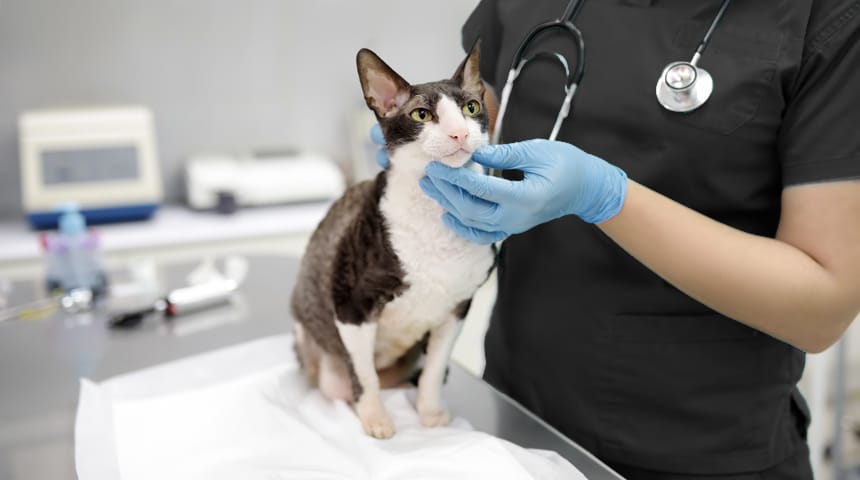
    Finally, winter is a great time to schedule a check-up with your veterinarian. Your veterinarian can help ensure your cat is in good health and advise you on any special precautions you may need to take to keep them safe and comfortable .

Conclusion

Winter doesn’t have to be a difficult season for your cat. With the right care and attention, you can help your feline friend stay warm, healthy, and happy no matter the temperature outside!


 

Clinique Vétérinaire Saint-Sacrement

Your pet is a member of your family and ours; it is a best friend, and even a confidant!

That's why our dedicated team of veterinarians, technicians and support team is always there, ready to care for your pet and give you the most appropriate advice to ensure its well-being and health.

Clinique Vétérinaire Cimon • Vanier

Your pet is a member of your family and ours; it is a best friend, and even a confidant!

That's why our dedicated team of veterinarians, technicians and support team is always there, ready to care for your pet and give you the most appropriate advice to ensure its well-being and health.

Clinique Vétérinaire Cimon • Loretteville

Your pet is a member of your family and ours; it is a best friend, and even a confidant!

That's why our dedicated team of veterinarians, technicians and support team is always there, ready to care for your pet and give you the most appropriate advice to ensure its well-being and health.

Hôpital Vétérinaire des Laurentides

Your pet is a member of your family and ours; it is a best friend, and even a confidant!

That's why our dedicated team of veterinarians, technicians and support team is always there, ready to care for your pet and give you the most appropriate advice to ensure its well-being and health.

September is Animal Pain Awareness Month

Because our pets are such integral parts of our families, it is important to recognize some signs of pain that they may be experiencing.

In certain cases, the animal’s quality of life can be affected in a gradual and insidious way, such as with dental issues or arthritis in older animals.

It’s not always easy to identify the signs of animal pain. Some animals, like cats, show little to no signs of pain. Animals are incredibly adaptable and can easily hide their symptoms.


Here are some clues that your companion could present if they are in pain:

  • Decreasing activity levels;
  • Apathy following some physical effort;
  • Hesitation to jump on a surface (cat), or to go up or down stairs;
  • Difficulty getting up or settling down;
  • Decrease or cessation of grooming;
  • Excessive licking or chewing of a part of his body;
  • Decreased to no appetite;
  • Behavioural changes (less tolerant of handling, hiding, routine changes, irritability);
  • Increased sleep periods;
  • Visible nictitating (3rd eyelid);
  • Difficulty finding a comfortable position or frequent changes in position;
  • Increased vocalizations.

In small mammals, a slowing down or stopping of the digestive transit can also be observed. In birds, a swollen plumage and lowered wings may be noticed. For cats, the positioning of their eyes, head, whiskers and ears is a useful way to determine their condition. Their facial expression can tell us a lot! In dogs, their posture can tell us more: they will have a round back, low ears and low tail.

Keep in mind that some medications may not be appropriate for your pet’s problem and may actually make it worse. In addition, several human medications are toxic to our pets. Therefore, before starting any treatment, check with our team!


Kennel Cough


Understanding Kennel Cough: What Every Dog Owner Should Know

What is Kennel Cough?

Kennel cough, also known as Canine infectious respiratory disease complex (CIRDC),

is a highly contagious upper respiratory infection in dogs. It’s often compared to the common cold in humans. The primary symptom is a dry, hacking cough that may produce phlegm, and in some cases, there may also be nasal discharge, watery eyes, or sneezing. While the cough can sound alarming—similar to the noise a dog makes before vomiting—most dogs continue their normal activities and maintain their appetite throughout recovery.

Although it can be uncomfortable, kennel cough is typically mild and resolves on its own. However, it’s highly contagious and can spread quickly, especially in environments where dogs are in close contact, such as kennels, dog parks, or grooming facilities.

What Does Kennel Cough Sound Like?

Kennel cough has a distinctive "honking" sound, almost as though your dog is trying to clear their throat. This persistent cough can last for several days or even weeks in severe cases. The cough typically doesn’t cause significant distress, but if your dog begins to show more serious symptoms, such as difficulty breathing or a loss of appetite, it’s important to consult your vet.

What Causes Kennel Cough?

Kennel cough is caused by a combination of viruses and bacteria. The Bordetella bronchiseptica bacterium is the most common culprit, but other microorganisms can also contribute. Dogs with weakened immune systems—such as puppies, senior dogs, or those already fighting another illness—are more susceptible to kennel cough.

How Do Dogs Catch Kennel Cough?

Much like the common cold in humans, kennel cough is an airborne disease. Infected dogs release droplets containing the bacteria or virus into the air when they cough, which can easily be inhaled by nearby dogs. The disease can also spread through contaminated objects like toys, food bowls, or even shared bedding. Because it is so contagious, dogs can catch kennel cough in high-traffic areas like dog parks, kennels, and grooming salons.

If you suspect your dog has kennel cough, it’s essential to isolate them from other pets to prevent spreading the infection.

What Should I Do if My Dog Shows Symptoms of Kennel Cough?

In most cases, kennel cough is self-limiting, meaning it will resolve on its own without the need for specific treatment, much like a human cold. However, there are a few things you can do to help your dog feel more comfortable during their recovery:

  • Remove their collar to avoid irritation of the throat.
  • Use a humidifier to ease the cough and make breathing easier.
  • Ensure your dog stays hydrated and continues eating normally.

If your dog is otherwise healthy, you can likely manage their symptoms at home. However, if your dog shows signs of breathing difficulties, becomes lethargic, stops eating, or is elderly or immunocompromised, it’s important to consult a veterinarian. They may recommend chest X-rays or prescribe antibiotics to prevent a secondary bacterial infection, such as pneumonia.

How Long is My Dog Contagious?

Dogs with kennel cough are contagious for 2 weeks after symptoms resolve, so it’s crucial to keep them away from dog parks, daycare centers, or any other areas where they may come into contact with other dogs during this time.

Preventing Kennel Cough

The best way to protect your dog from kennel cough is through vaccination. There are vaccines available that help protect against the most common causes of kennel cough, including Bordetella. If your dog is not already vaccinated—or if you're unsure of their vaccination status—contact your veterinarian to ensure they’re fully protected.

If you’re concerned about kennel cough or need to check if your pet’s vaccines are current, contact your veterinarian today. Protecting your pet from kennel cough will help keep them healthy and happy—whether they’re at the dog park or relaxing at home.


Parasite Prevention


What is Heartworm disease?

Heartworms are long spaghetti-like worms that live in dogs’ hearts. The disease caused by heartworm, called dirofilariasis, can be fatal. Fortunately, it is easy to prevent using monthly products that are readily available and easy to administer.

How Do Animals Become Infected with Heartworm?

Heartworm larvae are transmitted by mosquitoes and is temperature dependant. When an infected mosquito bites an animal, it injects larvae into the animal. These larvae migrate through the tissues and eventually reach the heart and large blood vessels, where they mature into adult worms. The adults reproduce, releasing more larvae into the bloodstream, which are then picked up by other mosquitoes, continuing the cycle of transmission. In Quebec, dogs should receive heartworm prevention from June to November.

What Are the Signs of Heartworm Infection?

The stress placed on the heart by the adult worms can lead to symptoms of heart disease or heart failure, including:

  • Lethargy
  • Exercise intolerance
  • Coughing
  • Loss of appetite
  • Abdominal swelling (due to fluid accumulation)

Can Heartworm Infection Be Treated?

Heartworm infection can be treated, but serious potential side effects are possible. The treatment can be costly and involves multiple visits to the hospital. Prevention of heartworm disease is highly recommended due to the serious nature of the disease, and the complicated treatment process.

When Should I Start Preventive Treatment?

In Quebec, all dogs should receive a heartworm preventive medication from June to November. There are a variety of effective preventive products available, including chewable tablets, topical treatments, and injectable options. Your veterinarian will recommend the best preventive treatment for your dog based on their age, size, and health.

By starting preventive care early, you can protect your pet from the dangers of heartworm disease.