
Maintaining a Healthy Body Weight


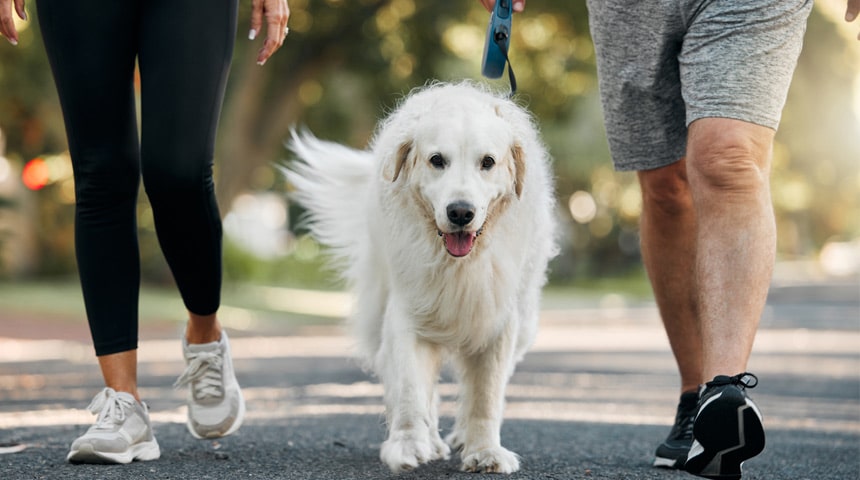
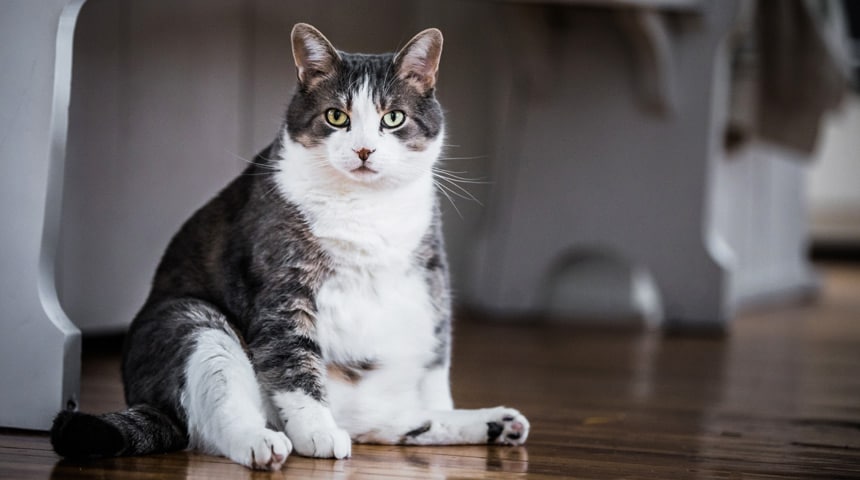
Obesity is a growing concern, with approximately 50-60% of pets in Canada classified as overweight or obese. In addition to increasing the risk of serious health issues such as diabetes, respiratory problems, and arthritis, obesity can also lead to chronic inflammation. This inflammation can worsen existing health conditions and contribute to the development of new ones, further compromising your pet’s overall well-being.

To help prevent obesity, it's essential to regulate your pet's food intake and encourage regular physical activity. One effective strategy for some pet owners is to use a scale to measure their pet’s total daily caloric intake in the morning. The daily amount is then divided into portions for breakfast and dinner, with a third portion set aside for treats throughout the day. If needed, consider low-calorie veterinary diets or enrolling in a specialized weight-loss program. Automated feeders can also be helpful in preventing overfeeding.

During your next veterinary visit, ask your vet to assess your pet’s body condition and recommend the appropriate daily calorie intake to help maintain or achieve a healthy weight. For additional guidance on ideal body weight, consult the resources provided.



The Laurent Projet


The Laurent Project, a unique initiative in Canada, was born from a touching and inspiring story – the story of Laurent, a 10-year-old boy with cancer and his dog Sushi, a precious source of comfort during his treatments. However, in certain situations, pets are considered a possible health risk for immunocompromised individuals due to the potential for zoonotic infections.

Faced with a lack of data on the risks for immunocompromised individuals, Laurent’s mother Hélène, a veterinarian, initiated this project with the University of Montreal. The project brings together experts to enable vulnerable individuals to live safely with their pets.

The Laurent Project seeks to enable immunosuppressed patients to keep their pets in complete safety, drawing on sound scientific data to minimize the risk of infection while maximizing the psychological and emotional benefits of pet ownership.

For more information, please visit their website : www.projetlaurent.org.


Does Your Pet Suffer from Itching?

Your pet scratches, chews and licks himself all the time? Canine and feline itching is often a symptom of an allergy. But an allergy to what? That is the question… If you notice signs of intense itching, better consult your veterinarian, and read below.

There are four major causes of possible allergies in dogs and cats. Indeed, there are allergies to flea bites, atopic dermatitis (including seasonal allergies), food allergies, and contact allergy (skin reaction following contact, with a chemical product, for example). All these causes lead to several symptoms, one of which is common to them; i.e. pruritus.

In dogs, itching results in scratching, licking and excessive biting, most often directed at the ears, face, paws, stomach and perineum. In cats, excessive grooming is mainly noticed on the face, belly and groin. Unfortunately, this excessive scratching will, in most cases, lead to self-inflicted traumatic skin damage. Thus, we can observe areas of hair loss, redness, scabs, red and oozing raised patches, ulcers, etc.

When the animal creates lesions due to excessive scratching, the skin becomes more fragile and therefore more susceptible to secondary bacterial and fungal infections. It is possible that your veterinarian administers antibiotics or antifungals to your animal to cure these infections before attacking the cause of the allergies.


The diagnostic

Only a veterinarian is able to make an accurate diagnosis about excessive itching.

There are three types of allergies:

  • Food allergies: this allergy occurs when the animal’s immune system reacts to a specific ingredient. Your pet may develop a food allergy overnight, no matter if you’ve given him the same food for a long time. You can see that the animal is scratching excessively, especially around the ears and legs.
  • Dermatitis: it only takes one flea bite to trigger allergy dermatitis (FAD). Your pet does not need to be infested with fleas to suffer from extreme itching in the back, legs, belly, and tail. To make a diagnosis, the veterinarian checks for fleas or flea feces, redness, sores or skin infections.
  • Atopy: Just like humans, your pet may be allergic to pollen, dust mites, dust and mould. Atopy may be seasonal or annual; it causes itching in the head, stomach, elbows and on the legs.

The ultimate test to diagnose atopic dermatitis is a skin allergy test or allergy intradermal test (TAID); this test being carried out by a veterinarian who specializes in dermatology. A small patch of hair is shaved from your pet's side and a very small amount of an allergen-containing solution is injected. In total, about 50 allergens are injected. These allergens are selected based on their presence in the geographic region where you live. Afterwards, each injection site is analyzed 15 to 30 minutes later to determine which allergen(s) reacted on your animal. If the reaction is positive, then swelling will be present at the injection site.

The skin allergy test is generally carried out at least around 2 ½-3 years of age in order to allow the animal to develop all of its allergies. Indeed, an animal allergic to only a few allergens at around 1 year old may become allergic to a range of others a few years later. This saves us from repeating the test, which can be quite expensive! It is also best to perform this test in the fall or winter so that environmental allergens such as pollen do not interfere with the test.

Treatment

Itching caused by allergy can be treated in several ways:

  • antihistamines;
  • cortisone;
  • pest control;
  • specialized shampoo;
  • immunotherapy.

However, be aware that nutrition can play a major role in controlling allergies. Some dog food formulas specifically designed to protect healthy skin may be effective against itching. Acting as a skin barrier, these therapeutic nutrient formulas prevent the penetration of allergens in the dog's body and promotes optimum hydration, which considerably reduces itching.

The only treatment that will allow your animal to recover from its allergies is hyposensitization or immunotherapy. On the other hand, to have access to this treatment, it is necessary to perform the skin allergy test beforehand. Subsequently, once the allergens have been isolated, a solution is made and then periodically injected into your pet. Generally, this treatment is effective in 75% of animals and it takes a period of 3 to 12 months before the itching subsides. The injections should be continued for life, but once the itching is well controlled, the intervals between injections may increase.

As previously mentioned, the skin allergy test is relatively expensive. Thus, it is sometimes possible to control allergies with alternative solutions before having the famous skin test performed. In animals whose signs of allergies are seasonal and mild, a symptomatic treatment can be attempted before moving onto the allergy test, with the agreement of the owner. Indeed, some medications such as cortisone, essential fatty acids and antihistamines are effective in controlling symptoms, but it is important to mention that these do not cure allergies! Some of these drugs, especially cortisone, can lead to side effects if administered over a long period. It is therefore very important to weigh the pros and cons before choosing this option.


Advice

You can help your veterinarian to determine the causes of your pet’s itching by noting your observations:

  • Is the itching regular or occasional? When does it occur?
  • Which dog food do you use? Do you give him treats?
  • Have you moved recently?
  • Do you have new furniture?
  • Have you used new household cleaning products?
  • Do you have a new pet?


Help! My Dog Has Run Away!

Although we do everything in our power to prevent it, a pet is not immune to running away, when out for a walk, visiting a friend or even staying in a boarding kennel.

Here are a few tips to assist you should the situation arise:

At the time of the event and in the hours that follow:

If you see your pet running away:

  • Analyze the environment for possible dangerous situations or opportunities for the animal to escape.
  •  If possible, block or prevent the animal from fleeing into situations that could be dangerous for them, or make the next step more difficult WITHOUT pursuing the animal.
  • Follow and observe your animal, without frightening them, to avoid losing track of them.
  • If your pet is in a precarious or specific situation and you cannot rescue them, call in a rescue service (e.g. Sauvetage Animal Rescue).

Use social media – they can help you find your pet:

  • GE Cherche Charly - Chiens perdus on Facebook. They are the reference in this kind of situation and their services are free.
  • Alerte Reven - for dog disappearances and to create an alert.
  • Facebook “Spotted” pages from your town and surrounding areas.

Important: Always use the same search notice or message to create a consistent sharing effect with maximum impact.

48 hours after the event, if the animal still hasn’t been found:

Contact a “blood hound handler” in your region:

  • Blood hounds are used to find wild animals that are still alive but injured during hunting.
  • For the list of blood hound handlers, click here (in French only): Liste des conducteurs
  • Continue searching the area.

What to Do When a Dog Gets Lost

Contact GE Cherche Charly:

Their experienced team will give you the right advice to suit your circumstances and guide you through the runaway situation.


Here is a list of resources to use:

  • Veterinarians in your area
  • Animal rescue services in your area
  • Ge cherche Charly – Chiens perdus (Facebook)
  • Your local police
  • Alerte Raven – disparition canine (Facebook)
  • Sauvetage Animal Rescue and/or its director, Éric Dussault (Facebook)
  • The Association des conducteurs de chiens de sang du Québec: https://www.accsq.com/fr

Emotional Support:

It can be very difficult for a pet owner to go through this ordeal, especially if it ends in death. There are resources available, such as pet bereavement and intuitive communication counselling. We encourage all owners going through this experience to seek help and make use of the resources available to them.

All our clinics, hospitals and centres are proud to apply these recommendations and are able to support you if your pet has run away. Do not hesitate to contact your veterinary team.


Source (original French version): GE Cherche Charly 2022

Eight Compelling Reasons to Vaccinate Your Pet

You might think that if your pet stays indoors that vaccination isn’t necessary, however even indoor pets can be exposed to potentially serious ilnesses. Here are 8 important reasons why vaccinating your pet is essential, regardless of their lifestyle:

  1. Your Pet Can Transmit Diseases to You

Some infections can be passed from animals to humans. These are known as zoonoses, and they can be transmitted through bites, scratches, or contact with your pet’s skin, saliva, feces, or mucous membranes. Vaccinating your pet helps protect both them and you from potential health risks.

  1. Your Pet Could Escape

Even if your pet is usually happy to stay indoors, they might accidentally escape which could expose them to viruses or infections that they wouldn’t otherwise encounter at home.

  1. You Could Bring Diseases into Your Home

If you’ve been in an area where an infected animal has been or touched an object that has come into contact with a sick animal, you could unknowingly be carrying bacteria or viruses into your home.

  1. Uncontrollable Exposure at Groomers or Kennels

Whether it's a trip to the groomer or a stay at a boarding kennel, there are places your pet might go where you can't control exposure to disease. Illnesses like kennel cough and feline rhinotracheitis are highly contagious and can be transmitted through the air or on surfaces in places like grooming salons and kennels. Vaccination ensures your pet is protected in environments you can't control.

  1. Prevention is Better Than Treatment

Some pet diseases can be deadly, or can lead to long-term illness or disability. Vaccination is the best form of prevention.

  1. Vaccination is Cost-Effective

It might seem like a good idea to skip vaccinations to save money, but the cost of treating a pet who contracts a disease can quickly surpass the cost of routine vaccines. Veterinary care for an untreated illness can be far more expensive and stressful for both you and your pet.

  1. Travel Requirements

Planning a trip abroad with your pet? Many countries require up-to-date vaccinations to prevent the spread of disease across borders. Similarly, if you’re planning to board your pet while you travel, most kennels will require proof of vaccinations. Without them, you may not be able to travel as planned.

  1. Help Eradicate Diseases

Just as vaccines have helped eliminate smallpox in humans, they play a crucial role in reducing or even eradicating dangerous diseases in animals. Feline panleucopenia and Feline Leukemia Virus were once widespread, but thanks to vaccination campaigns, these diseases are now less commonly seen in veterinary clinics. By vaccinating your pet, you’re contributing to the fight against preventable diseases and helping protect future generations of animals.

Conclusion

Whether it’s preventing deadly diseases, saving money on treatments, or meeting travel requirements, vaccination is a small investment that yields big returns for you and your pet.


Understanding Vaccine Reactions in Pets

Vaccination is one of the most effective ways to protect your pet from serious, infectious diseases. The principle behind vaccination is to introduce a small, harmless dose of disease-causing organisms (viruses or bacteria) that have been "killed" or altered. This prompts your pet’s immune system to respond by creating "memory cells" that recognize and fight these diseases if they are encountered in the future. In most cases, pets will require booster vaccinations to maintain a strong immune response.

While the majority of pets tolerate vaccinations without any issues, some may experience mild, temporary side effects. These reactions can include fatigue, decreased appetite, a low-grade fever, or mild soreness at the injection site. These symptoms are typically normal and can often be alleviated with extra love and attention. However, if these signs persist beyond 48 hours, it’s best to contact your veterinarian for further guidance.

In rare cases, pets can experience allergic reactions to vaccines. These reactions usually occur within 6 hours of vaccination. Symptoms to watch for include:

  • Vomiting
  • Itching, particularly on the face
  • Facial swelling or redness
  • Diarrhea
  • Difficulty breathing (a rare but serious symptom)

If your pet shows any of these signs, seek veterinary attention immediately. Allergic reactions can be treated with medication, and in most cases, the response to treatment is quick and effective.

If your pet has previously had an allergic reaction to a vaccine, it’s important to discuss their vaccination plan with your veterinarian. Depending on the severity of past reactions, your vet may recommend discontinuing certain vaccines or adjusting the vaccination schedule. In some cases, medications may be prescribed in advance to prevent reactions before future vaccinations.

While vaccine reactions are typically mild and temporary, the benefits of vaccinating your pet far outweigh the risks. Vaccines protect against potentially life-threatening diseases, and by keeping your pet’s vaccinations up to date, you are ensuring their long-term health and safety. Rest assured that, in most cases, vaccination is a safe and wise choice for your furry companion.


My senior cat and me

What is a senior cat?

Like us, cats go through different life stages: kitten, young adult, mature adult, senior, and geriatric. A cat is generally considered a senior when they reach the age of 8-9 years old. Evidently, as they age their needs become very different and it is helpful to understand the physical and emotional changes that happen as your cat ages.

Common age-related changes include :

  • Changes in behaviour and sleeping patterns
  • Increased ‘talking’ or meowing
  • Pain related to movement (jumping, using stairs, in/out of high-sided litter box)
  • Changes in sight and hearing
  • Decreased sense of smell and taste
  • Weight loss and loose skin
  • Brittle nails or nails that need to be trimmed more often
  • Decrease ability to absorb nutrients and increased need for protein

The lifespan of cats is five times shorter than the lifespan of a human, so cats age more quickly than people. An 11-year-old cat is about 60 in human years, but a 16-year-old cat is already 80 in human years. We get a checkup once a year; an equal number of checkups for a healthy senior cat would be every 10-11 weeks! Because much can change in a short time, bringing your senior cat for regular checkups is very important.

My senior cat checkups

Cats are masters of hiding signs of disease and pain, and may appear healthy even if they are sick or hurting. Being a responsible caregiver includes bringing your cat in for regular checkups. Cats 10 and over should have checkups every 6 months. Cats with ongoing health issues may need check-ups more often, depending on their illnesses. Your veterinarian relies on the information you provide about your cat’s daily lifestyle to identify signs of disease, pain, or behaviour changes.


Annual blood and urine tests can help discover problems early on and monitor your cat’s health. Your veterinarian will compare new bloodwork results with previous testing and examine any changes. Check ups help identify disease or age-related health conditions before they are painful or cost more to manage.


Is my old cat in pain?

Although cats are masters of disguise and pain can be hard to notice, your veterinarian is trained to recognize subtle signs of pain. Feline arthritis, or degenerative joint disease (DJD), is very common in cats. Studies show that as many as 92% of cats have DJD. Any change in your cat’s normal behaviour or routine, such as urinating or passing stool outside of the litter box, not being able to jump onto his favourite spot anymore, stiffness when moving around, decreased grooming and so on, can be a sign of pain. You can help your senior cat by providing steps or ramps for easy access to favourite spaces, as well as night lights to help them see better in the dark, litter boxes with low entry, elevated food bowls, etc. Think about items for senior cats in a more accessible manner!

In addition to adapting your house for a senior pet with mobility issues, there are other options to help manage their pain. There are 3 common methods used to help senior cats with joint pain. Talk to your veterinarian to determine which course of action is best suited for your pet!

Three common methods to help senior cats with joint pain :

  • Veterinary diets specific for mobility and joint support
  • Supplements, such as Glucosamine chews or Omega-3 oil to add to their everyday diet
  • Monthly injections with specific medication that directly targets pain in cats suffering from arthritis.


What about nutrition & weight management

Senior cats are at risk of becoming underweight due to a decreasing sense of taste or smell, which can cause a lack of interest in eating. On the other hand, overweight cats are more likely to develop diabetes, arthritis (DJD), heart disease, and lower urinary tract disease, which is why choosing the right diet for your furry friend is important.

For a healthy senior cat, there is a variety of senior diets to choose from. These diets are specifically formulated for your older pet. Senior foods generally have increased antioxidants, easily digestible ingredients, adapted amount of calories to reflect the activity levels of your pet, increased amount of proteins, and additional healthy fats such as Omega-3. However, if your pet has known medical conditions, there are special diets conceived to help manage them, such as early consult renal support diets, hyperthyroidism diets, diabetic diets, etc. Ask your veterinarian for more information on the diet that is best suited for your furry friend.

If your cat is having trouble eating, you can try offering a different texture of food, strong-smelling food, warmed or chilled canned food, or fresh food that hasn’t sat out too long and offered a few times throughout the day. Place food where your cat spends the most time and in a location where your cat can eat quietly and calmly. Senior cats may prefer wide and low-sided food and water bowls that don’t touch their whiskers. Providing elevated bowls can help those that may be in pain from bending down to eat. Hydration is very important for senior cats, so consider providing multiple drinking stations, and speak to your veterinarian about food or supplements that can increase water intake.

Managing diseases & conditions

As your pet ages, it is common for them to develop illness or conditions that require veterinary attention. The most common age-related illness in cats is Chronic Kidney Disease (CKD), which is a gradual loss of kidney function over time.

What is CKD and why is it troublesome?

Kidneys are the organs that help filter and remove waste products out of the blood through the urine. Moreover, they maintain a healthy balance of water, salts and minerals in your cat's body. A cat with CKD has kidneys that are not functioning correctly. Therefore, waste products accumulate in their bloodstream and their urine becomes very diluted (i.e., watery urine), causing them to suffer from symptoms of this illness. Chronic kidney disease happens gradually and, if left unmanaged, can be deadly for cats. It is difficult to visually diagnose CKD as they do not show any signs of illness until their kidneys have already lost two thirds of their functional ability. At that point, the following signs are often observed:

  • Weight loss and thin body condition
  • Increased thirst and urinating more
  • Decreased appetite
  • Lethargy

Annual blood tests are strongly recommended for older cats to help catch CKD in the early stages and slow down its progression. Many cats can have a good quality of life and live a long life with CKD if it is properly managed.

Some other common conditions in older cats are arthritis (DJD), thyroid disease (i.e.: hyperthyroidism), high blood pressure, diabetes, dental disease, gastrointestinal disease, cognitive dysfunction syndrome (affecting memory and awareness), and cancer. Typical signs to look out for include, but are not limited to:

  • Drinking more or less, and/or producing larger amounts of urine
  • Nausea, vomiting, or constipation
  • Weight or muscle loss
  • Changes in eating pattern
    • Decreased appetite
    • Finding food outside of the food bowl
    • Difficulty eating/chewing food
    • Increased appetite combined with weight loss
  • Poor fur/coat and decreased grooming
  • Changes in behaviour;
    • Hyperactivity (unusual activity)
    • Anxiety
    • Tiredness
    • Not using the litter box or urinating/passing stool outside the litter box
    • Changes to sleeping patterns and resting locations
    • Avoiding contact with others/hiding a lot
  • Abnormal swelling or skin masses (unusual lumps or growths)
  • Difficulty breathing, urinating or passing stools

We understand that it is hard to see our beloved pet's age and that it can be stressful for you and your cat to manage an illness. However, we urge you to voice your concerns, ideas, and ability to follow through with recommendations to your veterinarian so that together you can create a plan to minimize pain and stress for you and your cat. Continuing checkups remains the best way to monitor your cat’s health, pain and quality of life status.

My senior dog and me

What is a senior dog?

Like us, dogs go through different life stages: puppy, young adult, mature adult, senior, and geriatric. The speed of aging and likelihood of particular health conditions varies among dog breeds. Large breeds (over 22.7kg) tend to age more quickly than smaller breeds (under 22.7kg). A large breed is classified as senior as early as 6 to 8 years old and geriatric at 9 years of age, whereas a small breed is classified as senior around 7 to 10 years of age and geriatric around 11 years of age. Evidently, as they age their needs become very different and it is helpful to understand the physical and emotional changes that happen as your dog ages.

Common age-related changes include:

  • Changes in behaviour and sleeping patterns
  • Pain related to movement (jumping, using stairs)
  • Changes in sight and hearing
  • Decreased sense of smell and taste
  • Weight loss and loose skin
  • Decrease ability to absorb nutrients and increased need for protein

The lifespan of dogs is five times shorter than the lifespan of a human, so dogs age more quickly than people. Because much can change in a short time, bringing your senior dog for regular checkups is very important. These regular visits and discussions with your vet can help relieve and prevent suffering, identify diseases earlier and ensure your aging dog’s quality of life remains high and that they live longer.


What about  checkups for my sebior dog?

Dogs are good at hiding signs of disease and pain, and may appear healthy even if they are sick or hurting. Being a responsible caregiver includes bringing your dog in for regular checkups. Dogs considered geriatric should have checkups every 6 months. Dogs with ongoing health issues may need checkups more often depending on their illnesses. Your veterinarian relies on the information you provide about your dog’s daily lifestyle to identify signs of disease, pain, or behaviour changes.

Annual blood and urine tests can help discover problems early on and monitor your dog’s health. Your veterinarian will compare new bloodwork results with previous testing and examine any changes. Checkups help identify disease or age-related health conditions before they are painful or cost more to manage.


Nutrition for your old friend

For a healthy senior dog, there is a variety of senior diets to choose from. These diets are specifically formulated for your older pet. Senior foods generally have increased antioxidants, easily digestible ingredients, adapted amount of calories to reflect the activity levels of your pet, increased amount of proteins, and additional healthy fats such as Omega-3. However, if your pet has known medical conditions, there are special diets formulated to help manage them, such as mobility diets, renal diets, diabetic diets, etc. Ask your veterinarian for more information on the diet that is best suited for your furry friend.

Hydration is very important for senior dogs, so consider providing multiple drinking stations, and speak to your veterinarian about ways to increase your dog's water intake.

And what about the weight?

Over half of dogs are overweight and weight gain often occurs as they age, as can weight loss. Loss of weight in older dogs is much less common than obesity but is equally important. If an older dog is losing weight for no obvious reasons, it is vitally important to investigate and treat the underlying causes. In these instances, we recommend contacting your veterinarian as soon as possible.


How can obesity affect my senior pup?

There are a variety of influences that can affect your dog’s activity levels, but the most common one is stiffness and aching joints (i.e.: osteoarthritis). Conditions like arthritis are only made worse by being overweight!

 Canine arthritis is very common, and large breeds are generally more affected. The most common signs of osteoarthritis are behavioural changes and changes in their posture (e.g.: the position they stand, sit or lie in).

You can help your senior dog by providing steps or ramps for easy access to their favourite spaces, as well as night lights to help them see better in the dark, elevated food bowls, etc. Think about items for senior dogs in a more accessible manner!

In addition to adapting your house for a senior pet with mobility issues, there are other options to help manage their pain. There are a few common methods used to help senior dogs with joint pain.

  • Veterinary diets specific for joint/mobility support and weight loss
  • Supplemensts, such as Omega-3 oil to add to their everyday diet
  • Monthly injections with specific medication that directly targets pain in dogs suffering from arthritis
  • Daily anti-inflammatory pills which help in treating inflammation and pain by targeting specific receptors

 Key signs of arthritis to look out for :

  • Difficulty rising from a lying or sitting position
  • Increased tiredness
  • Moving less
  • Limping or changes in the way they walk or run
  • Decreased willingness to go for walks
  • Stiff movements
  • Reduced interest or ability to carry out normal movements
  • Dragging of paws and scuffing of nails
  • Wobbliness during walking
  • Reluctance to walk on slippery floors

The most effective treatments of osteoarthritis may use combined approaches. Talk to your veterinarian to determine which course of action is best suited for your pet!


Behavioural changes & confusion

Behavioural changes can be subtle but may be the first signs of a health problem starting. These changes can result from a wide variety of medical conditions causing pain, sensory decline, or any disease that affects the nervous system. Behavioural problems may also be due to age-related brain degeneration known as canine cognitive dysfunction (CCD), often referred to as ‘doggy dementia’.

What is CCD?

Canine cognitive dysfunction occurs as the brain ages, and results in noticeable behavioural changes similar to dementia in humans. The key signs to look out for are:

  • Disorientation
  • Increased anxiety
  • Decreased learning and memory
  • Changes in social interactions
  • Changes in appetite and drinking
  • Changes in sleep/wake cycles
  • Changes in toileting habits
  • Changes in activity

Diagnosis of CCD is based on the recognition of the behavioural changes. Your vet relies heavily on the medical history of your pet and information that you, the dog parent, provides. Keeping a diary or taking videos of your dog when they are acting abnormally can be greatly beneficial in your pet’s diagnosis.

How do we treat CCD?

Sadly, CCD is a progressive condition and no cure exists. However, there are medications, treatments and at-home changes that can help improve your dog's quality of life and slow CCD’s progression. There are 3 main forms of treatment for CCD:

  • Dietary supplements, such as Omega-3
  • Veterinary diet, such as Hill’s Prescription diet b/d for ‘brain aging care’
  • Prescribed medication

Together, you and the vet will be able to define the most appropriate treatment plan for your furry friend.

Managing diseases & conditions

It is important to note that not all changes in behaviour are directly caused by CCD. Other common causes may include:

  • Sensory loss such as vision and hearing loss
  • Pain caused by problems such as spine disorders, osteoarthritis, dental disease, etc.
  • Brain diseases such as tumours
  • Kidney disease and urinary tract infection
  • Hormonal disorders such as diabetes, hypothyroidism and hyperadrenocorticism (Cushing disease)

As you may notice, there is a great overlap between signs resulting from different causes. Therefore, it is important to report any behavioural changes, however small they seem, to your vet. Early detection of behavioural problems gives the best opportunity to improve or slow the progression of disease.


We understand that it is hard to see our beloved pet's age and that it can be stressful for you and your dog to manage an illness. However, we urge you to voice your concerns, ideas, and ability to follow through with recommendations to your veterinarian, so that together you can create a plan to minimize pain and stress for you and your dog. Continuing checkups and annual blood/urine screening remains the best way to monitor your dog’s health, pain and quality of life status.