

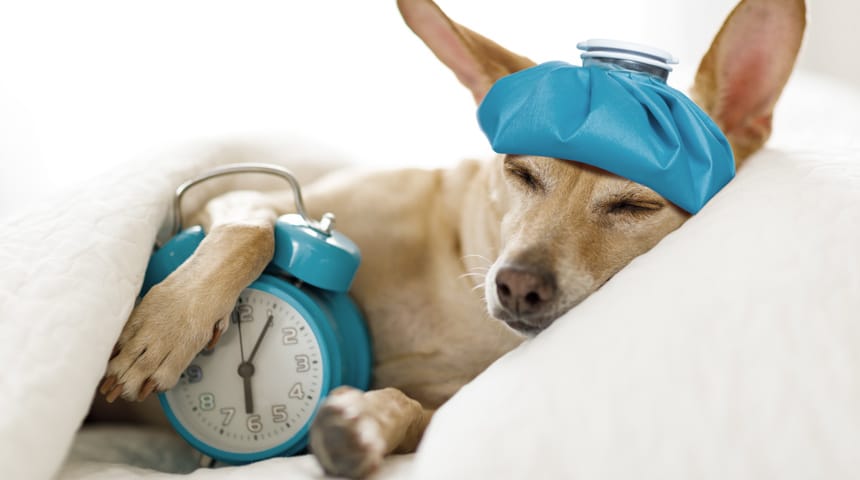
Kennel Cough


Understanding Kennel Cough: What Every Dog Owner Should Know

What is Kennel Cough?

Kennel cough, also known as Canine infectious respiratory disease complex (CIRDC),

is a highly contagious upper respiratory infection in dogs. It’s often compared to the common cold in humans. The primary symptom is a dry, hacking cough that may produce phlegm, and in some cases, there may also be nasal discharge, watery eyes, or sneezing. While the cough can sound alarming—similar to the noise a dog makes before vomiting—most dogs continue their normal activities and maintain their appetite throughout recovery.

Although it can be uncomfortable, kennel cough is typically mild and resolves on its own. However, it’s highly contagious and can spread quickly, especially in environments where dogs are in close contact, such as kennels, dog parks, or grooming facilities.

What Does Kennel Cough Sound Like?

Kennel cough has a distinctive "honking" sound, almost as though your dog is trying to clear their throat. This persistent cough can last for several days or even weeks in severe cases. The cough typically doesn’t cause significant distress, but if your dog begins to show more serious symptoms, such as difficulty breathing or a loss of appetite, it’s important to consult your vet.

What Causes Kennel Cough?

Kennel cough is caused by a combination of viruses and bacteria. The Bordetella bronchiseptica bacterium is the most common culprit, but other microorganisms can also contribute. Dogs with weakened immune systems—such as puppies, senior dogs, or those already fighting another illness—are more susceptible to kennel cough.

How Do Dogs Catch Kennel Cough?

Much like the common cold in humans, kennel cough is an airborne disease. Infected dogs release droplets containing the bacteria or virus into the air when they cough, which can easily be inhaled by nearby dogs. The disease can also spread through contaminated objects like toys, food bowls, or even shared bedding. Because it is so contagious, dogs can catch kennel cough in high-traffic areas like dog parks, kennels, and grooming salons.

If you suspect your dog has kennel cough, it’s essential to isolate them from other pets to prevent spreading the infection.

What Should I Do if My Dog Shows Symptoms of Kennel Cough?

In most cases, kennel cough is self-limiting, meaning it will resolve on its own without the need for specific treatment, much like a human cold. However, there are a few things you can do to help your dog feel more comfortable during their recovery:

  • Remove their collar to avoid irritation of the throat.
  • Use a humidifier to ease the cough and make breathing easier.
  • Ensure your dog stays hydrated and continues eating normally.

If your dog is otherwise healthy, you can likely manage their symptoms at home. However, if your dog shows signs of breathing difficulties, becomes lethargic, stops eating, or is elderly or immunocompromised, it’s important to consult a veterinarian. They may recommend chest X-rays or prescribe antibiotics to prevent a secondary bacterial infection, such as pneumonia.

How Long is My Dog Contagious?

Dogs with kennel cough are contagious for 2 weeks after symptoms resolve, so it’s crucial to keep them away from dog parks, daycare centers, or any other areas where they may come into contact with other dogs during this time.

Preventing Kennel Cough

The best way to protect your dog from kennel cough is through vaccination. There are vaccines available that help protect against the most common causes of kennel cough, including Bordetella. If your dog is not already vaccinated—or if you're unsure of their vaccination status—contact your veterinarian to ensure they’re fully protected.

If you’re concerned about kennel cough or need to check if your pet’s vaccines are current, contact your veterinarian today. Protecting your pet from kennel cough will help keep them healthy and happy—whether they’re at the dog park or relaxing at home.




Let’s Talk Rabies: Why Vaccinating Your Pet is Crucial

Rabies is a deadly viral disease that can affect both animals and humans, and it's one of the most important vaccinations for your pet. Whether your pet is indoor or outdoor, it’s an essential step in protecting their health and the health of your family.

Rabies is transmitted through the saliva of an infected animal, typically via bites, scratches, or when the saliva comes into contact with open wounds or mucous membranes (like the eyes, mouth, or nose). The virus attacks the central nervous system and leads to severe symptoms that can be fatal. Once symptoms appear, rabies is 100% fatal.

Why Is Vaccination So Important?

The only effective way to prevent rabies is through vaccination. The rabies vaccine is safe and highly effective. By vaccinating your pet, you ensure they are protected from the virus and will not pose a risk to your family or other animals if they are bitten by a potentially rabid animal.

While rabies was once mostly associated with wild animals, the prevalence of rabies in bats is on the rise. Bats can carry and spread the disease, making it even more important to keep your pets vaccinated, even if they never go outside.

Precautions to Reduce Risk

In addition to vaccination, there are steps you can take to minimize your pet’s exposure to rabies:

  • Avoid contact with unfamiliar animals, both wild and domestic.
  • Keep dogs on a leash when walking outdoors, especially in areas where wild animals may be present.
  • Report animals behaving strangely to local authorities

What to Do if Your Pet Is Bitten

If your pet is bitten by a potentially rabid animal, it’s critical to take immediate action. Clean the wound thoroughly with soap and water (wear gloves to protect your own skin), and contact your veterinarian right away. If you or anyone in your household is bitten, seek medical attention immediately. Rabies is a reportable disease, and bites from potentially infected animals must be reported to the Public Health Agency of Canada. While rabies is treatable in humans if addressed immediately after the contact has occurred, once symptoms appear, survival is very unlikely.

Conclusion

Vaccinating your pet against rabies is one of the most important steps you can take to protect them and your family. By vaccinating your pet, you can help reduce the spread of this deadly disease, making your home and community safer for everyone.


Animal Health Clinic

Your pet is a member of your family and ours; it is a best friend, and even a confidant!

That's why our dedicated team of veterinarians, technicians and support team is always there, ready to care for your pet and give you the most appropriate advice to ensure its well-being and health.

Hôpital Vétérinaire Victoria • Verdun

Your pet is a member of your family and ours; it is a best friend, and even a confidant!

That's why our dedicated team of veterinarians and technicians is always there, ready to care for your pet and give you the most appropriate advice to ensure its well-being and health.

Hôpital Vétérinaire Victoria • Ste-Julie

Your pet is a member of your family and ours; it is a best friend, and even a confidant!

That's why our dedicated team of veterinarians and technicians is always there, ready to care for your pet and give you the most appropriate advice to ensure its well-being and health.

Hôpital Vétérinaire Victoria • Greenfield Park

Your pet is a member of your family and ours; it is a best friend, and even a confidant!

That's why our dedicated team of veterinarians and technicians is always there, ready to care for your pet and give you the most appropriate advice to ensure its well-being and health.

Hôpital Vétérinaire Victoria • St-Lambert

Your pet is a member of your family and ours; it is a best friend, and even a confidant!

That's why our dedicated team of veterinarians and technicians is always there, ready to care for your pet and give you the most appropriate advice to ensure its well-being and health.

Hôpital Vétérinaire du Portage

Your pet is a member of your family and ours; it is a best friend, and even a confidant!

That's why our dedicated team of veterinarians, technicians, assistant technicians and receptionists is always there, ready to care for your pet and give you the most appropriate advice to ensure its well-being and health.