




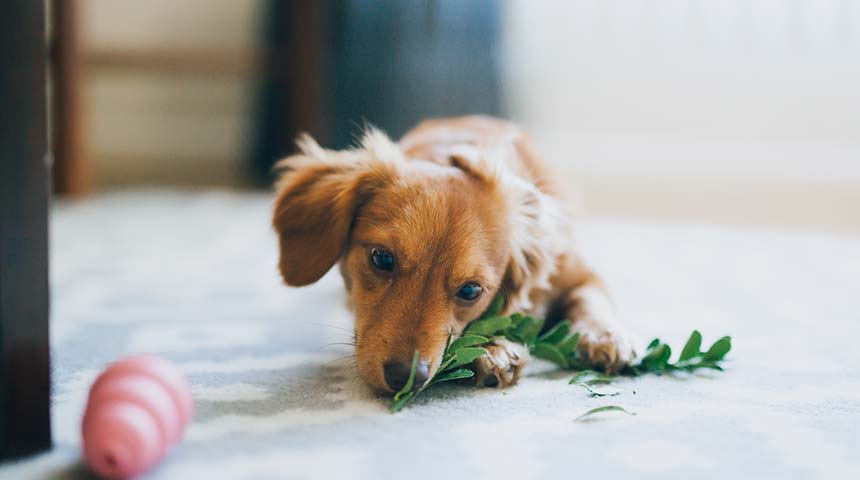
Domestic Dangers: How to Keep Your Pets Safe
Prevention is essential when it comes to protecting your pets from common household hazards. Here’s a helpful guide to potential dangers in your home, garage, kitchen, garden, and beyond:
Inside the House
-
- Window Screens: Install secure window screens to prevent accidental falls.
- Toxic Plants: Many common houseplants are toxic to pets if ingested. Check the ASPCA website for a full list of harmful plants. (https://www.aspca.org/pet-care/animal-poison-control/toxic-and-non-toxic-plants)
- Electric Cords: Cover or hide cords to prevent pets from chewing them, which could lead to electrocution.
- Fireplaces & Heaters: Never leave pets unsupervised near open flames or heat sources.
- Plastic Bags: Keep plastic bags out of reach to avoid choking hazards.
- Small Objects: Regularly pick up small items (e.g., toys, coins) that pets might swallow.
In the garage
-
- Antifreeze & Chemicals: Store antifreeze, oils, and cleaning chemicals in secure, sealed containers. Pets are often attracted to antifreeze due to its sweet taste, but it's highly toxic.
- Paint & Rat Poison: Keep all chemicals, paints, and rodenticides well out of your pet’s reach.
Kitchen, laundry room and bathroom
-
- Stoves & Irons: Always turn off stoves, irons, and other appliances when not in use to avoid burns or fires.
- Cleaning Products: Store all cleaning supplies (e.g., bleach, detergents) in cabinets or areas that pets can’t access. Many cleaning products are highly toxic to pets.
- Washer & Dryer: Always double-check that pets are not inside the washer or dryer before use.
- Beauty Products & Medications: Keep medications, lotions, and other personal care items stored safely away from pets. Many products can be harmful if ingested.
- Strings & Ribbons: Avoid letting pets play with strings, ribbons, or elastic bands, as they can be choking hazards or lead to gastrointestinal blockages.
In the Garden
-
- Toxic Outdoor Plants: Many outdoor plants, like lilies, azaleas, and tulips, can be toxic to pets. Visit the ASPCA website for a full list.
- Storage Shed: Keep tools, lawn equipment, and chemicals in a locked shed to avoid accidents.
- Chemical-Treated Lawns: Keep pets away from recently treated lawns or gardens, as pesticides and herbicides can be harmful.
Holiday Hazards
- Decorations: Be mindful of small decorations, like icicles, tinsel, and glass ornaments. If chewed or swallowed, these can cause choking, internal injury, or poisoning.
- Christmas Plants: Certain holiday plants, like poinsettias, holly, mistletoe, and amaryllis, can be toxic to pets. Keep them out of reach during the holidays.
Compost & Food Scraps
- Compost Piles: Block access to compost heaps, as they can contain mold, fungi, and foreign objects that are harmful if ingested.
Toxic Foods for Pets
Certain human foods can be toxic or even fatal to pets. Be sure to keep these out of reach:
- Chocolate: Contains methylxantines, which is toxic to dogs and cats, especially dark chocolate. The higher the cocoa content, the more toxic it is.
- Grapes & Raisins: Can cause kidney failure in pets, particularly dogs.
- Alcohol: Even small amounts can lead to severe poisoning, affecting the liver and brain.
- Garlic, Onions & Leeks: These can cause gastrointestinal upset and damage to red blood cells in dogs and cats.
- Avocados: Contain a toxin called persin, which can be harmful to pets.
- Macadamia Nuts: Can cause weakness, tremors, and other symptoms in dogs.
- Xylitol: This artificial sweetener, found in gum, candy, and some baked goods, can cause insulin release and liver damage in dogs.
Toxic Plants
Be cautious of plants that are toxic to pets, such as:
- Amaryllis
- Autumn Crocus
- Lilies (especially dangerous to cats)
For a more comprehensive list of toxic plants, visit the ASPCA website.
What to Do If Your Pet Ingests Something Toxic
If you suspect your pet has ingested a toxic substance, act quickly:
- Contact Your Veterinarian Immediately: Provide details about what your pet ingested, how much, and when. Quick action can make a life-saving difference.
- Emergency Vet Contacts: Keep the numbers of emergency veterinary clinics handy:
- Centre Vétérinaire Rive-Sud
- Centre Vétérinaire Laval
- Hôpital Centre-Ville Montréal
- ASPCA Animal Poison Control Center (1-888-426-4435)
- Pet Poison Helpline (1-855-764-7661)
Final Tip: Stay Vigilant
Pets are curious and often unaware of dangers around the home. By staying proactive and aware of potential hazards, you can create a safer environment for your furry friends. Enjoy your time with them and remember, safety first!
Share:
Array