




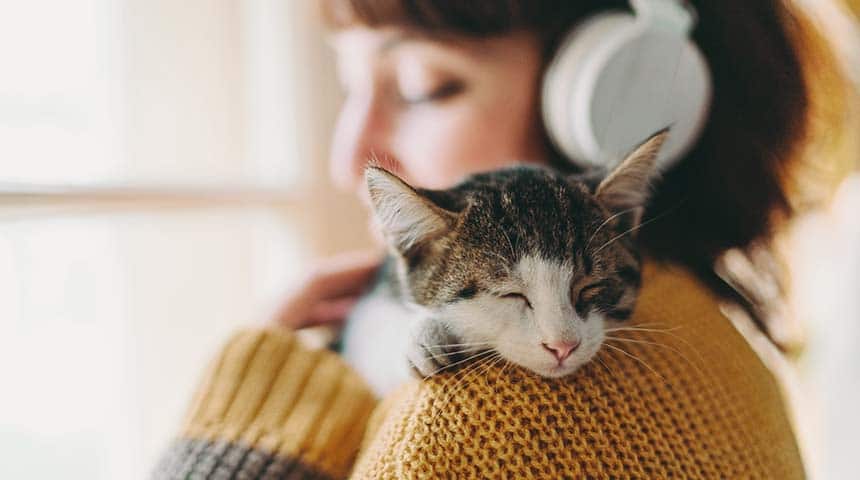
Congratulations for your new companion! The arrival of this little "furball" comes with many responsibilities that you'll need to take care of all of its life, and especially during its first year. Below is information that could be especially useful. During your visit, the veterinarian will be happy to answer all your questions.
Vaccination
During your first visit, your veterinarian will discuss with you the diseases your cat may be exposed to and establish an appropriate vaccination schedule.
While the exact schedule can vary, it’s crucial that kittens receive the core vaccines to protect against common infectious diseases such as panleukopenia, rhinotracheitis, feline calicivirus, and rabies.
Vaccination can begin as early as the age of 6 weeks, with a booster shot every 3 or 4 weeks until the kitten reaches the age of 12 to 16 weeks.
After this, an annual check-up is recommended. During this visit, your vet will review which vaccines your cat needs for the year. Be sure to mention if your cat goes outdoors, as they may need the feline leukemia vaccine for added protection.
Deworming
At your pet's first visit, we recommend a stool analysis (coprology) to check for intestinal parasites. This test helps us identify any potential iinfections and allows us to prescribe the appropriate treatment. We then suggest an annual stool analysis for all pets who go outdoors, or who maye have access to rodents in the home.
Regular stool analysis and consistent parasite prevention are essential not only for your pet's health, but for your family's well-being. Many parasites are zoonotic, meaning they can be transmitted from animals to humans. Children, the elderly, and individuals with weakened immune systems are particularly vulnerable. By staying on top of your pet's parasite prevention, you’re not only protecting them, but also reducing the risk of infection for your entire household.
Routine Surgery
The Key Reasons We Recommend Sterilizing Your Cat
Sterilizing your cat—whether through castration for males or ovariohysterectomy for females—is a routine and important procedure typically done when your cat is around six months old. This surgery helps prevent unwanted pregnancies, reduces the risk of certain health issues, and can improve your cat’s behavior.
Benefits of Sterilization:
- Health Benefits: Sterilizing your cat can reduce the risk of certain cancers and infections, such as uterine infections in females (pyometra) and testicular cancer in males. It can also prevent unwanted pregnancies and the associated risks.
- Behavioral Benefits: Sterilization can help reduce territorial behaviors, such as spraying and aggression, as well as minimize the tendency for male cats to roam in search of a mate.
- Safety and Comfort: We recommend sterilization at around six months to ensure your cat’s safety and reduce the risk of complications. It’s best if your pet is not in heat during the procedure, as this can decrease surgical risks. Preoperative blood tests help ensure that your cat is fit for anesthesia, further reducing risks.
- Post-Operative Care: After surgery, your cat will receive pain relief medications (analgesics) to ensure a more comfortable recovery.
Sterilization is a straightforward and highly beneficial procedure that contributes to your cat’s long-term health and well-being. By choosing to sterilize your pet, you’re helping to provide a happier, healthier life for both your cat and your household.
Nutrition
Until the age of 6 months, a kitten should be fed with food that will sustain good growth. Cats love to nibble; give them a specific amount of food per day, divided it into many meals (like snacks during the whole day).
As cats age, they are prone to obesity problems. To prevent this condition, avoid feeding them at will. If you have several cats, make sure that each one eats its own portion. Ideally, each one should have its own bowl.
When you change to adult cat food, make sure the transition is gradual; don't make an abrupt change as this could cause diarrhea and/or vomiting.
If you have several cats, make sure each one eats its portion; ideally, each pet should have its own bowl. As they get older, our pets are subject to obesity problems; to help avoid these problems, don't let them self-feed.
Heartworms
In Québec, cats can receive heartworm protection from June to November; products are readily available and easy to administer.
Since there are no screening tests (blood analysis) to efficiently detect this parasite in cats and because they are asymptomatic, it is difficult to know exactly how widespread this disease is among felines. This preventive treatment can be combined with a preventive treatment against infestations by fleas, mites, and some intestinal parasites. For this reason, it is strongly recommended.
Ear Cleaning
Some kittens have ear mites; these are parasites that are easy to see with a microscope. The veterinarian may judge it necessary to do an ear smear in order to identify them. Do you want to see these mites? Ask a technician to show them to you under a microscope.
As with humans, cats can have ear infections; but with regular ear cleaning, you will be able to avoid this problem. Use an appropriate product and the proper technique; the veterinarian or the technician will show you how to proceed.
Nail Clipping
To keep your kitten's claws in check, the golden rule is simple: clip more often, but never too short! Gently handle your kitten's legs regularly so she gets used to being touched, making nail trims much easier. When it’s time to clip, make sure she’s calm and relaxed. Avoid cutting into the quick (the pink part inside the nail) as it can cause bleeding and discomfort. If you’re unsure, trim just the very tip.
A little tip for your kitten: To prevent her from damaging your furniture, get her one or even several scratching posts and teach her how to use them from an early age! You can also give her treats when she scratches her post - but make sure to count these in the amount of food she gets, since they're often higher in calories.
To protect your furniture, introduce a scratching post early on and show her how to use it. Reward her with treats when she scratches the post but remember to factor them into her daily food intake since they can be high in calories. With patience and consistency, your kitten will learn good habits and nail care will become a breeze!
Dental hygiene
Just like humans, your pet's teeth need regular brushing to maintain good oral health. Be sure to use a pet-specific toothpaste that is fluoride-free, as fluoride is harmful to pets. Additionally, some pet food brands offer diets designed to help reduce plaque and tartar buildup through its abrasive action during chewing. However, it’s important to note that these foods do not replace regular brushing. For personalized recommendations on the best food for your pet’s dental health, our technicians and veterinarians are always happy to assist, don’t hesitate to ask us for advice.
Scaling: A Reliable Way to Protect Your Cat’s Health
In cats, tartar and plaque are often hidden beneath the gums, making them difficult to see with the naked eye. The only effective way to remove this buildup is through scaling, a procedure performed under general anesthesia at veterinary hospitals. Similar to a dental cleaning for humans, scaling involves several steps:
- Teeth cleaning with an ultrasonic device
- Curettage to clean under the gums
- Polishing the tooth enamel
Irrigation of the area below the gums
Based on the AAHA guidelines we recommend a routine dental scaling (or dental prophylaxis) at the following frequency:
Age of first dental scaling or prophylaxis:
- At 1 year of age for cats and small to medium-sized dogs.
- At 2 years of age for large breed dogs.
Frequency of Dental Prophylaxis:
- Small breed dogs (without brushing): Every 6 months
- Small breed dogs (with brushing): Annually
- Large breed dogs (without brushing): Annually
- Large breed dogs (with brushing): Every 2 years
- Cats: Annually
Scaling not only helps prevent pain, tooth loss, and periodontal disease, but it can also reduce the risk of infections that can affect vital organs like the kidneys, liver, and heart—conditions that can sometimes be fatal. Additionally, scaling can dramatically improve your cat's breath!
It’s clear that skipping this important procedure isn’t an option. Our dental services are performed by a team of specialists using the latest technology and equipment. Make an appointment today to keep your cat’s smile—and health—at their best!
Human Pharmacy
Caution: Human Medications Can Be Dangerous for Pets
As a pet owner, it’s important to remember that human medications can be extremely toxic to pets. What may be safe for you can have harmful or even fatal effects on your furry friends. Before administering any medication to your pet, it’s essential to get the right information and consult your veterinarian. Never play doctor with your pet’s health!
Medications meant for people, including over-the-counter drugs, prescription medications, and even herbal supplements, often have harmful side effects when ingested by animals.
Additionally, pets can accidentally ingest human medications when they get into pill bottles or bottles left within their reach. It’s critical to pet-proof your home and keep medications stored securely to prevent these accidental poisonings.
Common Human Medications That Are Toxic to Pets
- Acetaminophen (Tylenol)
- Highly Toxic to Cats: Even a single regular-strength acetaminophen tablet can cause serious damage to a cat’s red blood cells, leading to oxygen deprivation and potentially fatal organ failure.
- In Dogs: Acetaminophen can cause liver failure and, in large doses, red blood cell damage. Smaller dogs, puppies, and older dogs are especially at risk.
- Non-Steroidal Anti-Inflammatory Drugs (NSAIDs)
- Ibuprofen (Advil), Naproxen (Aleve): Just one or two pills can be deadly. NSAIDs are known to cause stomach and intestinal ulcers, as well as kidney failure in dogs, cats, and other pets like birds and small mammals (e.g., gerbils, hamsters).
- Never give your pet any human pain relievers, even if they seem to be in pain. Always consult a vet for pet-safe alternatives.
- Antidepressants & Anti-Anxiety Medications
- While antidepressants are sometimes prescribed to pets, an overdose can cause serious neurological problems, including sedation, incoordination, tremors, seizures, and even coma.
- ADD/ADHD Medications (e.g., Amphetamines, Methylphenidate)
- Medications for attention deficit disorders, like Adderall or Ritalin, contain powerful stimulants that can have deadly consequences for pets. Even a small amount can cause life-threatening tremors, seizures, high body temperature, and heart problems.
- Beta-Blockers (e.g., Metoprolol, Propranolol)
- Used to treat heart disease and high blood pressure in both humans and pets, but overdoses can be fatal. Accidental ingestion can cause heart failure, low blood pressure, slow heart rate, and acute kidney failure in pets.
Preventing Accidental Poisoning: Pet-Proof Your Home
It's essential to keep medications securely stored, out of reach of curious pets. Here are some helpful tips: