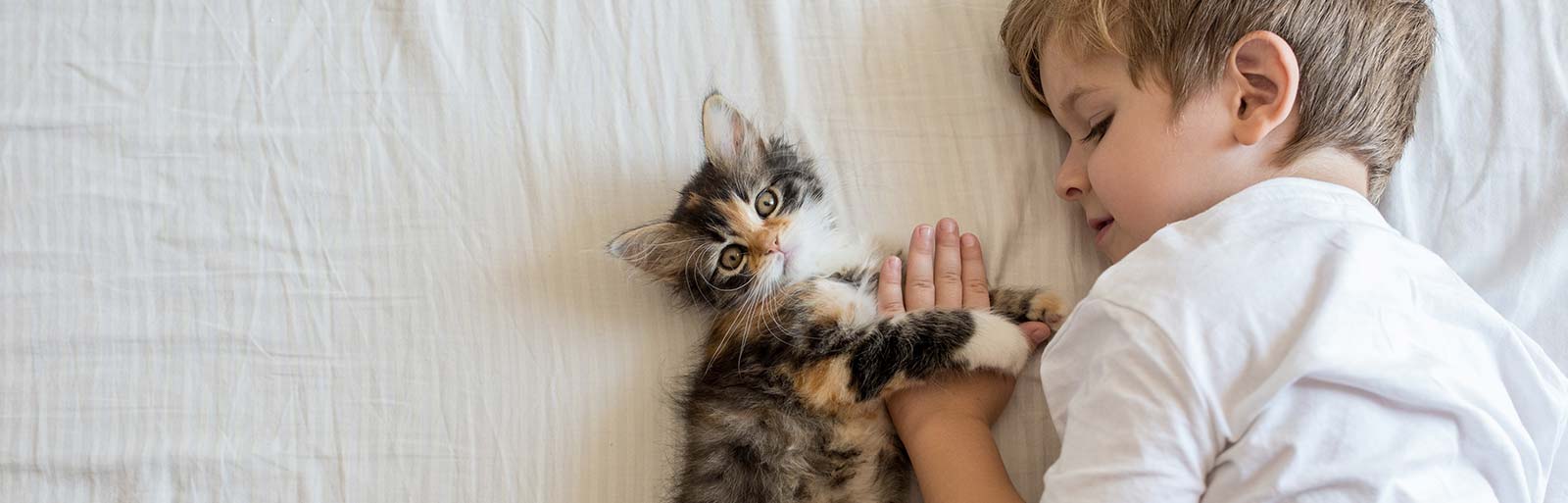


Is a Cat Really for Me?

Have you fallen for the adorable kitten in the shop window? A stray cat keeps coming back to see you? Cats are unrivalled charmers - they know how to make us fall in love! However, before giving in to love at first sight, it’s advisable to ask yourself what kind of lifestyle you could offer a cat, what your expectations and needs are, and what kind of budget you can afford.

Here are a few questions you should ask yourself:

  • Do you have a busy schedule? Will you have time to dedicate to your little protégé?
  • Are you dreaming of a fluffy kitten like those featured in those toilet paper commercials? First of all, don’t forget that all baby kittens turn into adult cats! You should also be aware that a long-haired cat will require regular, deep brushing to avoid becoming thickly matted – in which case, the cat may need to be shaved! As well, a “flat-faced” cat will require daily eye cleaning.
  • Do you have leather furniture? It may fall prey to Kitty’s sharp nails. Adopting a cat also means making compromises!
  • Can you afford it? The first year, Kitty will need several vaccinations, neutering and deworming treatments. Your vet’s general examination may reveal surprises such as fleas, ear mites, ringworm, or a viral disease. You’ll be glad you had the cat checked BEFORE you brought it into your home! It’s a wise decision to budget for contingencies... they can add up your health care costs!

Once you have weighed the pros and cons, you can make an informed choice. Keep in mind that you are responsible for those you tame!
 

Oh No… the Cat Peed on the Bed!


The horror! You discover that your cat has urinated in the middle of the bed. When you have recovered from the initial shock, here are a few things to check:

  • Under which circumstances did this happen? Was there a recent stressful event?
  • Is the litter box kept clean and odour free?
  • Has your cat been behaving normally or have you noted changes in his/her behavior or overall health?
  • Does he/she urinate a lot more, or a lot less than usual?

Urinating out of the litter box can indicate an underlying a medical problem. We would recommend having a physical exam and urinalysis performed by your veterinarian. Bladder inflammation, urinary crystals, diabetes, or kidney failure are among the medical conditions that could explain this "bad" behaviour. If a physical exam and diagnostic testing do not reveal any medical abnormalities, your cat may be exhibiting signs of a behavioural issue.

In addition, it It is very important to keep the litter box spotless! We recommend that the number of litter boxes in the home be equal to the number of cats + 1. It is preferable to use a litter box without a cover, filled with unscented. litter. The soiled litter must be emptied every day, and the box itself should be cleaned thoroughly once a week and replaced yearly. Choose a location that is quiet and easily accessible; we do not recommend placing it next to a noisy furnace or a busy passageway!

Despite normal test results and perfect litter box management, your cat may continue to urinate in inappropriate places. Your veterinarian may suspect a behavioral issue and potential treatments will be discussed. Therapeutic approaches include the use of synthetic hormones, milk protein hydrolysates, antidepressants and environmental enrichment. We will explore this topic  in greater detail the following article.

When cleaning up urine or feces, it's important to act quickly and use the right products to neutralize odors. Avoid bleach, as its strong scent can attract your cat back to the same spot and it's not the best choice for eliminating pet odors. Instead, opt for enzymatic cleaners specifically designed for pet accidents to effectively neutralize odors and prevent repeat occurrences.

For any questions or concerns, do not hesitate to contact us!


Clawing It Out: Understanding and Managing Your Cat’s Scratching Behavior


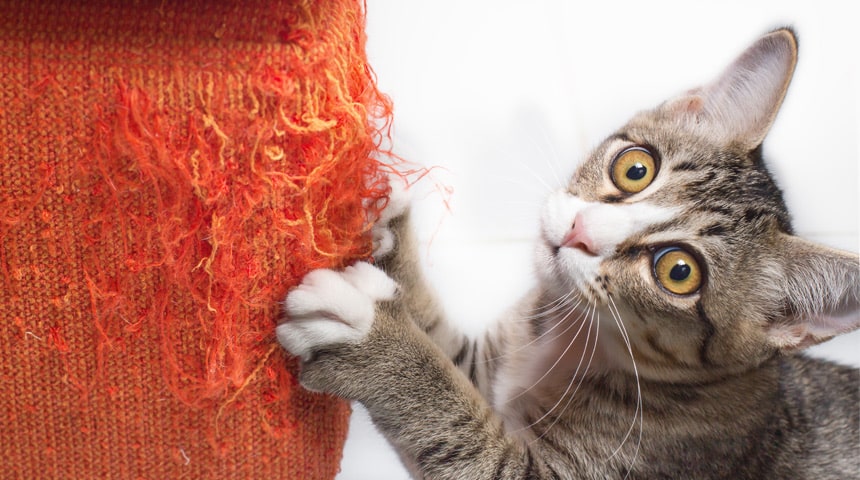
Is your cat turning your furniture into their personal scratching post? If you’ve ever found yourself frustrated by the shredded cushions or claw marks on your favorite chair, you’re not alone! While it might seem destructive, scratching is a completely natural and instinctual behavior for cats. Understanding why they do it can help you manage the situation and protect your furniture.

Why Do Cats Scratch?

Scratching serves several important purposes in a cat’s life, and it’s not just about ruining your decor. Here are the main reasons behind your feline’s scratching habit:

  1. Maintaining Claw Health
    Cats’ claws grow in layers, and scratching helps them shed the old outer sheath, revealing a sharper, healthier claw underneath. It’s a form of grooming that keeps their claws in optimal condition.
  2. Marking Territory
    Your cat’s paws aren’t just for walking; they’re also equipped with scent glands. When your cat scratches an object, it’s marking their territory, signaling to other animals that this area is theirs. You’ve probably noticed that your cat is especially fond of scratching furniture that’s in high-traffic areas. This is no accident!
  3. Stretching and Exercising
    Scratching isn’t just about claws—it’s also about keeping your cat’s muscles and tendons in shape. It’s a great way for them to stretch and work out their front limbs and shoulders, helping to keep their body flexible and strong.

How to Manage Your Cat’s Scratching

While scratching is natural, there are ways you can redirect your cat’s behavior to preserve your furniture while still allowing them to express themselves. Here are some tips:

1. Provide a Suitable Scratching Post

Cats need a designated spot to scratch. The key is to find a scratching post that they’ll actually use. Look for sturdy, tall posts made of materials like sisal, cardboard, or wood—something that mimics the texture of tree bark or rough surfaces. Make sure the post is tall enough for your cat to stretch fully when scratching, as this is part of the appeal!

2. Use Positive Reinforcement

Cats are more likely to repeat behaviors that earn them rewards. When your cat uses the scratching post, reward them with treats or praise. This helps them associate the post with positive outcomes, making them more likely to use it in the future.

3. Redirect Gently

If you catch your cat in the act of scratching your furniture, gently redirect them to the scratching post. Never punish your cat for scratching—it’s an instinctive behavior they can’t control. Instead, try to guide them toward the right spot and praise them when they use it.

4. Trim Their Claws Regularly

Keeping your cat’s claws trimmed will help reduce the damage they can do to your furniture. Regular claw trimming is a simple yet effective way to keep the situation under control. If you're unsure how to trim your cat’s claws, ask your veterinarian for advice or assistance.

5. Use Deterrents

If your cat is particularly determined to scratch certain areas, consider using a deterrent. Double-sided tape placed on furniture or fabric can be a great option. Cats dislike the sticky feeling, so they’re less likely to scratch in those areas. You can also try using sprays specifically designed to deter cats from scratching.

6. Avoid Encouraging Bad Habits

It’s important not to reward your cat for scratching inappropriate surfaces. For example, don’t let your cat use your clothes or rugs as a scratching post. If they do, gently remove them and redirect their attention to the proper scratching area.

Creating a Scratching-Friendly Environment

Ultimately, the goal is to provide your cat with the tools they need to satisfy their natural instincts while preserving your home. By offering a variety of scratching posts, rewarding good behavior, and keeping your cat’s claws maintained, you can manage their scratching in a way that’s beneficial for both of you. And remember: scratching is an entirely normal and healthy part of cat behavior, so don’t feel like you have to stop it completely—just guide it toward more appropriate places.

With a little patience and understanding, you and your feline friend can share a home without the worry of torn-up furniture. So, get your cat a scratching post they’ll love, and let the claws stay where they belong!


Hôpital Vétérinaire du Boisé

Your pet is a member of your family and ours; it is a best friend, and even a confidant!

That's why our dedicated team of veterinarians, technicians, assistant technicians and receptionists is always there, ready to care for your pet and give you the most appropriate advice to ensure its well-being and health.

Bureau Vétérinaire Côté

Your pet is a member of your family and ours; it is a best friend, and even a confidant!

That's why our dedicated team of veterinarians, technicians, assistant technicians and receptionists is always there, ready to care for your pet and give you the most appropriate advice to ensure its well-being and health.

Clinique Vétérinaire Côté

Your pet is a member of your family and ours; it is a best friend, and even a confidant!

That's why our dedicated team of veterinarians, technicians, assistant technicians and receptionists is always there, ready to care for your pet and give you the most appropriate advice to ensure its well-being and health.

Clinique Vétérinaire de la Gare

Your pet is a member of your family and ours; it is a best friend, and even a confidant!

That's why our dedicated team of veterinarians, technicians, assistant technicians and receptionists is always there, ready to care for your pet and give you the most appropriate advice to ensure its well-being and health.

Hôpital Vétérinaire de la Montérégie

Your pet is a member of your family and ours; it is a best friend, and even a confidant!

That's why our dedicated team of veterinarians, technicians, assistant technicians and receptionists is always there, ready to care for your pet and give you the most appropriate advice to ensure its well-being and health.