




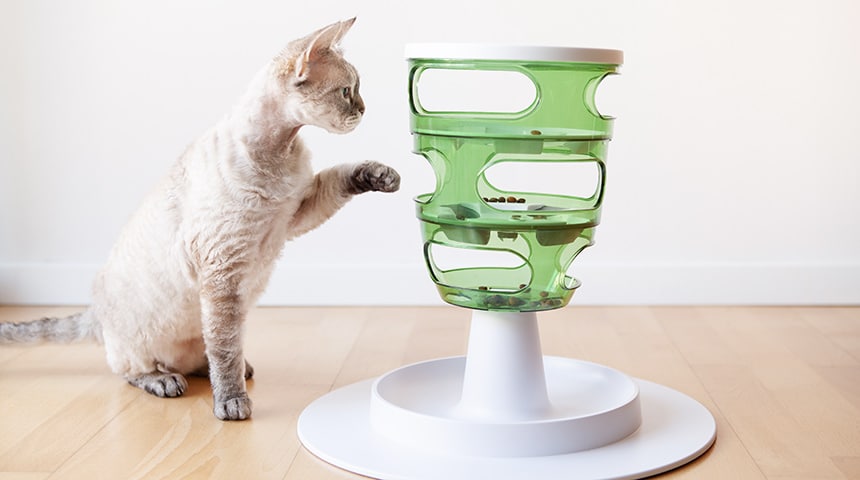
Just like us, cats thrive on a balanced diet. Choosing the right food and feeding routine can make a world of difference in their health and wellbeing. Your veterinarian can help you create a personalized nutrition plan to cater to your cat's unique needs.
Dietary Options for Cats
- Commercial Diets:
- Dry Food (Kibble): A convenient option, kibble provides all the essential nutrients in a compact and easy to serve form.
- Wet Food (Canned Food): Higher in moisture content, canned food can be particularly appealing to finicky eaters.
- Homemade Diets:
- While homemade diets can be tailored to specific needs, they require careful planning and preparation to ensure nutritional balance. Should you choose to offer a homecooked diet, we recommend that you consult with a veterinarian or a qualified animal nutritionist to create a suitable recipe.
- Remember: Cats are obligate carnivores, so their diet should primarily consist of animal-based protein.
Veterinary Diets: A Premium Choice
Veterinarians often recommend diets formulated by animal nutrition experts. These diets are designed to meet the specific nutritional requirements of cats at various life stages and health conditions. Consulting with a veterinarian can help you select the best diet for your cat's individual needs.
Feeding schedule
While adult cats are typically fed 2 meals per day, we would recommend that kittens under the age of 3 months be fed 3-4 meals per day. While some cats may self-regulate their food intake, many cats who are free fed (offered food freely throughout the day) will overeat, eventually leading to obesity. In multi-cat households, establishing regular meal times and encouraging cats to eat out of separate bowls is strongly encouraged.
What to Avoid
- Frequent Diet Changes: Sudden changes in diet can upset your cat's digestive system. Any changes in diet should be introduced gradually over a period of 2 weeks, unless recommended otherwise by your veterinarian.
- Feeding Dog Food: Cat and dog nutritional needs differ significantly. Cats require specific nutrients, such as taurine, that are not present in dog food.
- Human Foods: Many human foods, including chocolate, onions, garlic, and grapes, are toxic to cats. Avoid feeding your cat these foods.
- Excessive Treats: Overindulging in treats can lead to obesity and other health problems.
If you have questions about your cat’s diet or notice a change in their feeding habits, please contact your veterinarian. During your cat’s annual examination your veterinarian will assess their body weight and can help adjust your feeding schedule as needed. Feeding a well-balanced diet and avoiding excess weight can help your feline friend live a long and healthy life.