




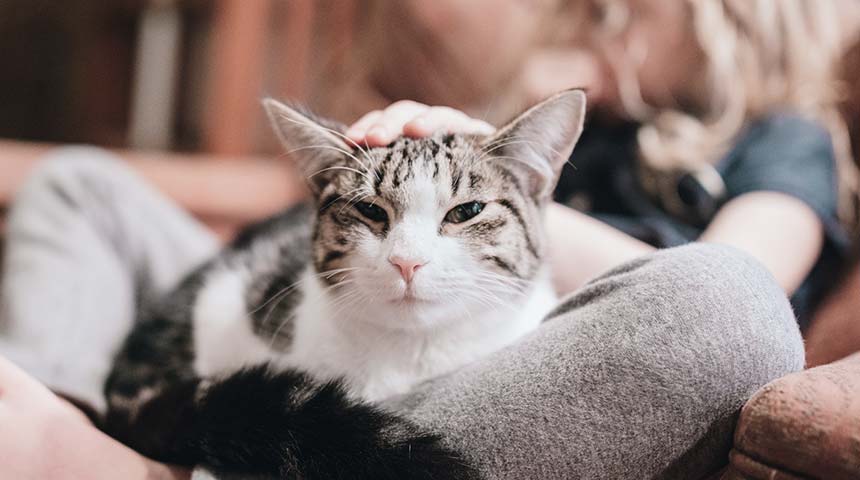
Declawing, a painful and invasive procedure that involves amputating the tips of a cat's toes, is a practice that has been banned in Quebec, alongside other unnecessary procedures like vocal cord removal, ear cropping and tail docking. These procedures not only cause significant pain and suffering to animals but can also lead to long-term physical and behavioral issues.
The Harms associated with Declawing:
- Declawing can cause significant and chronic pain for the cat.
- Declawed cats may develop behavioral problems, such as biting, litter box issues, or increased anxiety.
- Declawing can negatively impact a cat's quality of life, as it limits their natural behaviors.
Humane Alternatives to Declawing:
- Provide Appropriate Scratching Posts:
- Offer a variety of scratching posts, including vertical and horizontal options.
- Use different materials like sisal, cardboard or carpet to cater to your cat's preferences.
- Place the scratching post in strategic locations, such as near their favorite resting spot or a frequently used area.
- Positive Reinforcement:
- Reward your cat with treats or praise when they use the scratching post.
- Use catnip to attract them to the scratching post.
- Deterring Unwanted Scratching:
- Use double-sided tape or a citrus-based deterrent on furniture or other surfaces you want to protect.
- Regularly trim your cat's claws to minimize damage.
- Nail Caps:
- Consider using nail caps, which are soft plastic covers that can be glued to your cat's claws.
- This is a temporary solution and may not be suitable for all cats.
Prioritize Your Cat's Well-being:
By providing appropriate scratching surfaces, using positive reinforcement, and considering humane alternatives like nail caps, you can help your cat maintain healthy claws and prevent destructive behavior. Remember, declawing is a painful and unnecessary procedure. Let's choose compassion and provide our feline friends with the care they deserve.