




Most cats do not require regular ear cleaning. Cats are naturally good at grooming themselves, including keeping their ears clean. However, if you notice discharge, a buildup of wax, or an unpleasant odor coming from your cat's ears, it may be time to clean them. Here's how to do it safely and when to seek veterinary care.
When to Clean Your Cat's Ears
- Visible Discharge or Dirt: If you see wax buildup, dirt, or discharge, cleaning may be necessary to maintain ear health. Use a gentle ear cleaner recommended by your vet and follow the instructions carefully.
- Older or Unwell Cats: As cats age, or if they become unwell, they may not groom themselves as effectively, which can lead to dirty or neglected ears. In these cases, more frequent cleaning may be needed.
Signs Your Cat May Need Veterinary Attention
- Redness or Swelling: If your cat's ears appear red or swollen, it could be a sign of infection or inflammation, requiring immediate attention from a vet.
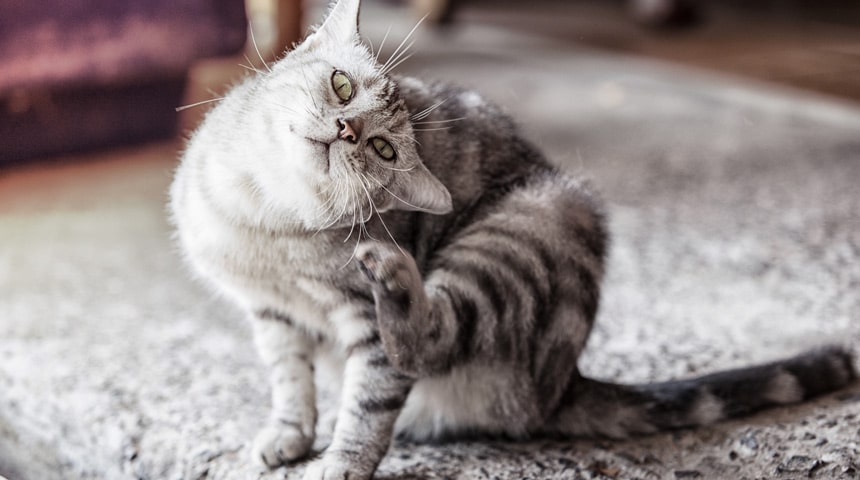
- Excessive Scratching or Head Shaking: Cats with ear problems often scratch at their ears or shake their heads repeatedly. These could be signs of ear mites, infections, or allergies.
- Recurrent Discharge: Ongoing or recurrent discharge, especially if it’s dark, smelly, or thick, may indicate an ear infection or other underlying condition that needs veterinary care.
How to Clean Your Cat's Ears
If your cat's ears are generally clean, but there's a bit of buildup, follow these steps:
- Use a Cat-Specific Ear Cleaner: Purchase an ear cleaner made for pets from your vet or a pet store. Avoid using cotton swabs, which can push debris deeper into the ear canal.
- Apply the Cleaner: Place a few drops of ear cleaner in your cat’s ear canal.
- Massage the Base: Gently massage the base of the ear to help loosen any debris.
- Wipe Away Discharge: Use a soft, clean cotton ball or tissue to wipe away any excess cleaner and debris.
- Reward Your Cat: After cleaning, give your cat a treat to make the experience more positive.
Conclusion
Regular ear cleaning is usually unnecessary for most cats, but if you notice any signs of discomfort, infection, or discharge, it's important to address the issue promptly. If the problem persists or if your cat is displaying signs of pain, it’s best to consult with your vet for a thorough examination and appropriate treatment. Keeping your cat's ears healthy is an important part of overall grooming and well-being.