




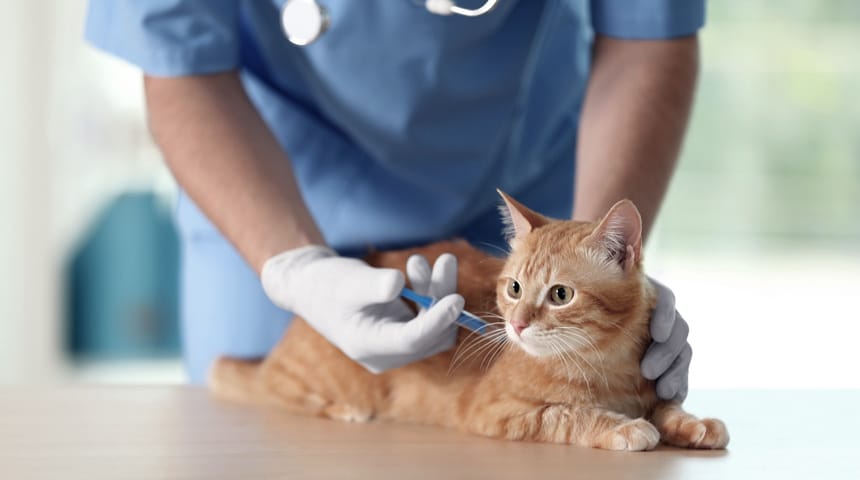
Vaccinating your cat is essential, particularly during kittenhood, to help build strong immunity. Below, you’ll find information about the key diseases your veterinarian will protect your cat from through vaccination.
Panleukopenia (P) Vaccine Overview
Panleukopenia is a serious viral disease caused by a parvovirus, similar to the one found in dogs. It primarily affects kittens but can also impact adult cats. The "core" vaccine (PRC) protects against this virus.
Symptoms
Signs of panleukopenia include:
- Loss of appetite
- Foul-smelling diarrhea (with or without mucus/blood)
- Vomiting
- Dehydration
- High fever
Transmission
The virus is highly contagious and spreads through bodily fluids, especially stool. It can survive in the environment for up to a year, making thorough disinfection crucial to prevent contamination.
Vaccination is the best way to protect your cat from this deadly disease.
Rhinotracheitis (R) Vaccine Overview
Rhinotracheitis is a common and highly contagious respiratory disease that mainly affects kittens but can also impact unvaccinated adult cats. The "core" vaccine (PRC) protects your cat against this virus.
Symptoms
Signs of rhinotracheitis resemble the common cold in humans and may include:
- Sneezing
- Eye and nasal discharge (clear or colored)
- Cough or voice change
- Excessive drooling
- Loss of appetite
- Fever
- Conjunctivitis, sometimes with corneal ulcers
Transmission
The virus spreads easily through contact with infected cats' secretions, either directly (nose-to-nose) or indirectly (via contaminated objects). As a herpesvirus, it remains in the cat’s system for life. Stress or a weakened immune system can trigger the virus to reappear with mild symptoms. Fortunately, the virus is easily killed by most disinfectants, so thorough cleaning of your cat’s environment will help prevent its spread.
Vaccination is key to protecting your cat from this contagious disease.
Calicivirus (C) Vaccine Overview
Calicivirus is a highly contagious disease that primarily affects the respiratory system of unvaccinated kittens and adult cats. It is the third virus protected against by the "core" vaccine (PRC).
Symptoms
Symptoms of calicivirus are similar to rhinotracheitis and may include:
- Sneezing
- Runny nose
- Loss of appetite
- Excessive drooling
- Conjunctivitis
- Mouth ulcers, and sometimes on the paws or nose
Transmission
Calicivirus is highly contagious and spreads through direct contact (nose-to-nose) or indirect contact (via contaminated objects). Unlike rhinotracheitis, calicivirus is more resistant in the environment, so thorough disinfection is crucial. Up to 80% of cats who recover from calicivirus can remain carriers for months or even years, potentially spreading the virus to other cats. Therefore, it's important to vaccinate all cats in the household.
Vaccination is the best way to protect your cat from this contagious and persistent disease.
Feline Leukemia (FeLV) Vaccine Overview
Feline leukemia (FeLV) is a serious viral disease, most commonly found in outdoor cats. Vaccinating your cat is essential if they go outside or have contact with other cats.
Symptoms
FeLV infection may not show symptoms immediately, and it can take months or even years for signs to appear. Symptoms vary widely, so a blood test is needed for diagnosis. If your cat is at risk, your veterinarian will recommend testing.
Transmission
FeLV is primarily spread through saliva but can also be transmitted through other bodily fluids. Kittens can be infected in utero or through their mother’s milk. The virus is fragile and doesn’t survive long outside the body, making it easy to disinfect environments.
Vaccination is the best way to protect your cat from this potentially fatal disease, especially if they are exposed to the outdoors.
Rabies Vaccine Overview
Rabies is a viral disease that affects the central nervous system of mammals, leading to fatal encephalitis (brain inflammation). It is a reportable disease in many regions, including Canada, due to its serious health risks to both animals and humans.
Symptoms
Rabies can manifest in two forms in cats: "furious" (aggressive) and "dumb" (paralytic). The "furious" form is often described as more common in cats, but the dumb form can also occur. Rabies progresses rapidly once symptoms appear and is almost always fatal.
Incubation Period
The incubation period for rabies in cats typically ranges from 2 weeks to 3 months. Early symptoms can be subtle and hard to detect. The disease can progress quickly once symptoms appear, so it’s important to be aware of the signs.
Key Symptoms Include:
- Behavioral changes (e.g., aggression, restlessness)
- Unusual gait or coordination problems (sometimes due to paralysis)
- Abnormal eye appearance (such as dilated pupils or excessive tearing)
- Increased vocalization (e.g., yowling or growling)
Excessive drooling and difficulty swallowing are also common.
Transmission
Rabies is transmitted primarily through bites from infected animals. The saliva of an infected animal contains the rabies virus and can also contaminate objects like food or water dishes. Rabies can also be transmitted if saliva comes into contact with open wounds or mucous membranes (e.g., eyes, nose, mouth).
Wild animals such as skunks, raccoons, bats, and foxes are common carriers of rabies. In rare cases, domesticated animals (like dogs) or unvaccinated pets can also spread the virus.
Rabies is a zoonotic disease, meaning it can be transmitted to humans. This makes vaccination for cats essential.
Vaccination Schedule
Your cat’s vaccination schedule can begin as early as 6 weeks of age, starting with the core "PRC" vaccine.
- PRC (Panleukopenia, Rhinotracheitis, Calicivirus): Initial vaccinations are given at 6 weeks, with boosters every 3-4 weeks until your cat is 16 weeks old. After this, an annual booster is recommended, followed by a booster every 3 years thereafter. We also recommend an annual health check-up.
- Feline Leukemia (FeLV): The first dose is followed by a booster 3-4 weeks later. After the initial series, your cat should receive a booster every year.
- Rabies: Rabies vaccination can be administered once your cat is at least 12 weeks old. After the first dose, an annual booster is required, with a booster every 3 years thereafter. Regular annual check-ups are still important.
Whether you're staying home or traveling within or outside Canada, ensure your cat is up to date on all vaccinations to keep them healthy and protected.