




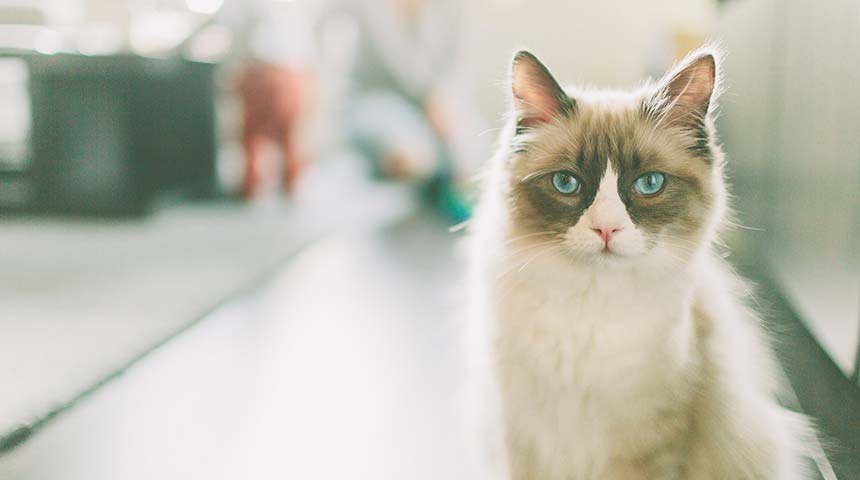
Prevention is essential when it comes to protecting your pets from common household hazards. Here’s a helpful guide to potential dangers in your home, garage, kitchen, garden, and beyond:
Inside the House
- Window Screens: Install secure window screens to prevent accidental falls.
- Toxic Plants: Many common houseplants are toxic to pets if ingested. Check the ASPCA website for a full list of harmful plants.
- Electric Cords: Cover or hide cords to prevent pets from chewing them, which could lead to electrocution.
- Fireplaces & Heaters: Never leave pets unsupervised near open flames or heat sources.
- Plastic Bags: Keep plastic bags out of reach to avoid choking hazards.
- Small Objects: Regularly pick up small items (e.g., toys, coins) that pets might swallow.
In the Garage
- Antifreeze & Chemicals: Store antifreeze, oils, and cleaning chemicals in secure, sealed containers. Pets are often attracted to antifreeze due to its sweet taste, but it's highly toxic.
- Paint & Rat Poison: Keep all chemicals, paints, and rodenticides well out of your pet’s reach.
In the Kitchen, Laundry Room & Bathroom
- Stoves & Irons: Always turn off stoves, irons, and other appliances when not in use to avoid burns or fires.
- Cleaning Products: Store all cleaning supplies (e.g., bleach, detergents) in cabinets or areas that pets can’t access. Many cleaning products are highly toxic to pets.
- Washer & Dryer: Always double-check that pets are not inside the washer or dryer before use.
- Beauty Products & Medications: Keep medications, lotions, and other personal care items stored safely away from pets. Many products can be harmful if ingested.
- Strings & Ribbons: Avoid letting pets play with strings, ribbons, or elastic bands, as they can be choking hazards or lead to gastrointestinal blockages.
In the Garden
- Toxic Outdoor Plants: Many outdoor plants, like lilies, azaleas, and tulips, can be toxic to pets. Visit the ASPCA website for a full list.
- Storage Shed: Keep tools, lawn equipment, and chemicals in a locked shed to avoid accidents.
- Chemical-Treated Lawns: Keep pets away from recently treated lawns or gardens, as pesticides and herbicides can be harmful.
Holiday Hazards
- Decorations: Be mindful of small decorations, like icicles, tinsel, and glass ornaments. If chewed or swallowed, these can cause choking, internal injury, or poisoning.
- Christmas Plants: Certain holiday plants, like poinsettias, holly, mistletoe, and amaryllis, can be toxic to pets. Keep them out of reach during the holidays.
Compost & Food Scraps
- Compost Piles: Block access to compost heaps, as they can contain mold, fungi, and foreign objects that are harmful if ingested.
Share:
Array