

Emergency and Critical Care

When should I consult in an emergency?

Since your furry companions can't verbalize their pain, it's sometimes difficult to understand what's happening to them and know when it's urgent. Pay attention to their body language and their general state, it is their way of communicating with you.

Here is a list of conditions that excuse an emergency visit to our centres:

  • Absence of urine
  • Difficult delivery
  • Energy drop
  • Loss of appetite
  • Eye injury
  • Heatstroke
  • Epileptiform seizure
  • Abnormal gait
  • Persistent diarrhea
  • Difficulty breathing
  • Ingestion of an object
  • Poisoning
  • Bite or open wound
  • Loss of consciousness
  • Trauma or accident
  • Abnormal vomiting

What differentiates an emergency and referral centre from your neighbourhood hospital or clinic is also the technologic equipment used there. Our teams have on-site access to more complete and state-of-the-art equipment (MRI, CT-Scan, on-site laboratory, etc.)  to be able to make a complete diagnosis more quickly.

With more than 35 years of clinical expertise, our three teams in Brossard, Montreal and Laval care about the health and well-being of your pet. They always adopt a global and human approach in order to accompany you throughout the care of your animal.
Frequently asked questions

How can I tell if my pet's condition is an emergency?

Difficulty breathing, loss of consciousness, seizures, inability to urinate, poisoning, trauma, heatstroke, serious injuries, ingestion of a foreign object, or severe vomiting are examples of situations that may require immediate veterinary attention. 

Do I need an appointment to bring my pet to the emergency department?

Emergency cases can be seen without an appointment at our emergency centers. Patients are assessed and prioritized based on the severity of their condition. 

Why might an animal that arrived after mine be first?

As in human emergency departments, patients are treated according to a triage system. An animal facing an immediate life-threatening condition must be stabilized first. 

Will my family veterinarian receive information about my pet's visit?

Yes. Our teams work closely with family veterinarians and provide consultation reports to help ensure continuity of care. 

What types of care can be provided to a critically ill patient?

Depending on the situation, our teams may provide intensive care, continuous monitoring, laboratory testing, blood transfusions, or emergency surgery. 

Anesthesia and Analgesia

This service is offered exclusively to all our referring veterinarians. You can submit your reference request via our Vet Connexion portal.

Why does my pet need an anesthesiologist?

Your animal should be monitored by one of our anesthesia specialists in the event of:

  • Heart disease
  • Diabetes
  • Hyperthyroidism
  • Addison's disease
  • Brachycephalic syndrome
  • Chest procedure
  • Removal of large masses

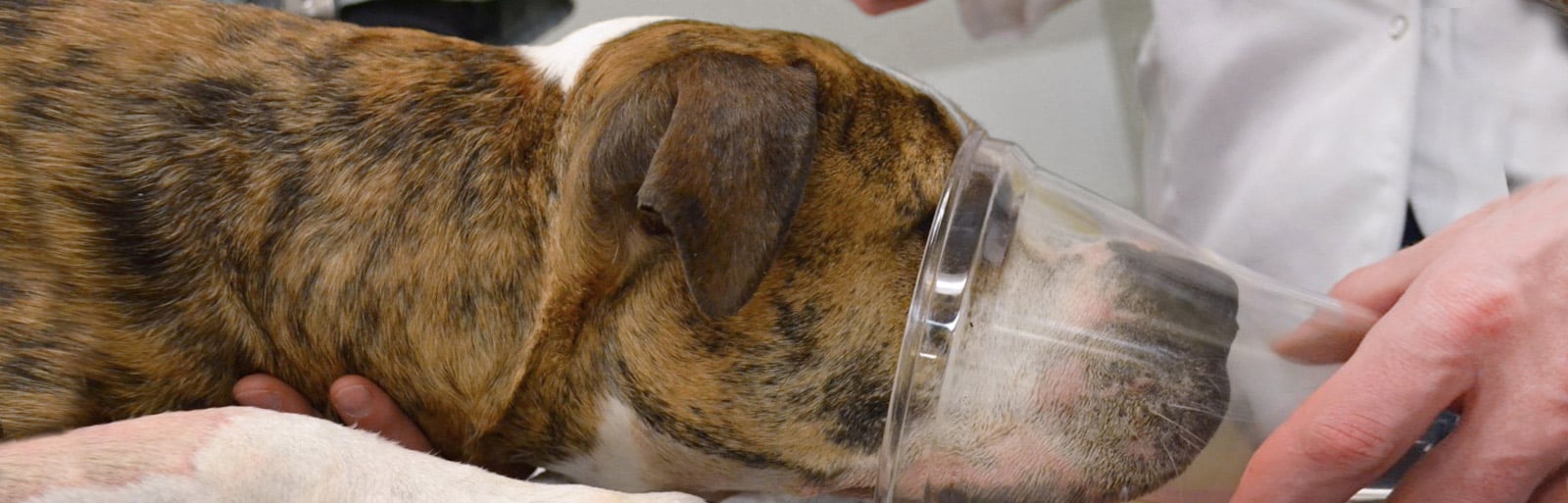
Our anesthesiology specialists and their team will accompany you throughout the anesthesia process, starting at home before the procedure up to their return.

Frequently asked questions

Why do some animals require specialized anesthesia care?

Some patients face a higher anesthetic risk due to their medical condition or the type of procedure required. This may include animals with heart disease, diabetes, certain endocrine disorders, or brachycephalic breeds. 

How is anesthesia tailored to my pet?

The anesthetic protocol is developed based on several factors, including your pet’s age, overall health, existing medical conditions, and the planned procedure. 

How is my pet's pain managed?

Different approaches may be combined to prevent and manage pain before, during, and after a procedure. This multimodal approach may include various techniques tailored to each patient. 

Will my pet be monitored during anesthesia?

Yes. Careful monitoring is performed throughout the procedure and recovery period to ensure that care is adjusted according to your pet’s needs. 

Who is responsible for my pet's anesthesia during a procedure?

At a veterinary referral center, an anesthesia specialist is available to oversee anesthetic care for patients undergoing procedures that require specialized management. Their expertise allows them to develop an individualized anesthetic protocol and provide close monitoring throughout anesthesia. 

In general veterinary clinics and hospitals, anesthesia is typically managed by the attending veterinarian, with support from the veterinary technical team. These professionals are trained to safely administer and monitor anesthesia. 

Having an anesthesia specialist at a veterinary referral center provides an additional level of expertise, particularly valuable for complex procedures or patients with higher anesthetic risks. 

Medical Imaging

This service is offered exclusively to all our referring veterinarians. You can submit your reference request via our Vet Connexion portal.

Why does my pet need to be seen in medical imaging?

Your pet should be seen by a medical imaging specialist in case of:

  • MRI
    • Neurological problems
    • Loss of sensation in the hind limbs
    • Epileptiform seizures
  • CT-Scan
    • Complex fractures
    • Arthritis problems
    • Ligament problems
    • Detection of metastases
    • Neurological problems
  • Ultrasound
    • Digestive problems
    • Masses
    • Foreign bodies
    • Urinary problems
    • Detection of metastases

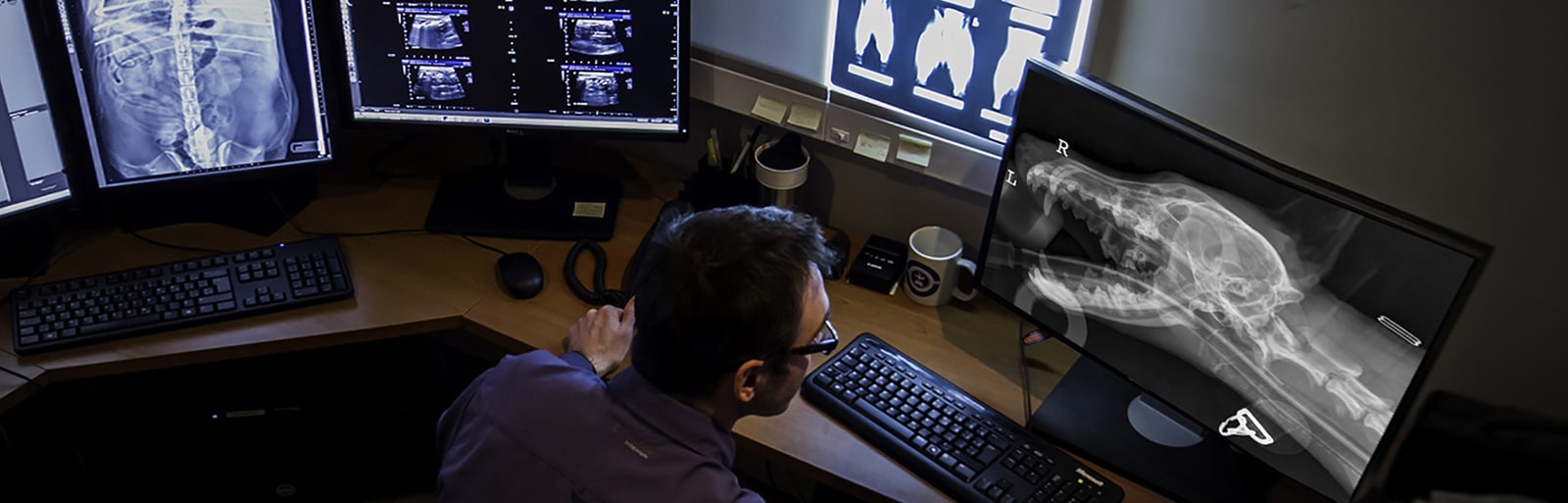
Medical imaging makes it possible to better target your pet's care while trying to determine the origin of their symptoms.

Frequently asked questions

Why might my pet need advanced medical imaging?

Medical imaging allows veterinarians to examine internal structures that cannot be assessed through a physical examination alone. It can help identify the cause of certain symptoms and guide diagnosis and treatment. 

What is the difference between an ultrasound, a CT scan and an MRI?

These examinations produce different types of images and are used depending on the area of the body or the suspected condition. Ultrasound is particularly useful for evaluating many internal organs, while CT scans and MRIs provide highly detailed images of various anatomical structures. 

When might an MRI be recommended?

An MRI may be recommended for neurological problems, seizures, or certain conditions involving loss of sensation or mobility. 

When might a CT scan be recommended?

A CT scan may be useful for evaluating certain complex fractures, joint or ligament problems, neurological conditions, or detecting the presence of metastases. 

Will me pet need anesthesia for their imaging examination?

It depends on the type of examination. Some procedures require the animal to remain completely still and may therefore require sedation or anesthesia. The team will explain the recommended protocol for your pet. 

Animal Behaviour

Why consult a Dog Behaviourist?

A dog behaviourist is able to evaluate the various problems encountered with the dog, to better help the family understand their canine companion. They can suggest the best strategies for improving the relationship between pets and their owners.

Frequently asked questions

When should I seek a canine behavior consultation?

A consultation may be helpful when certain behaviors affect your dog’s well-being or their relationship with your family, or simply when you wish to better understand your companion and adopt appropriate strategies. 

What happens during a behavior consultation?

The behavior professional conducts an overall assessment of your dog and the challenges you are experiencing. You will have the opportunity to ask questions, discuss problematic situations, and receive personalized recommendations. A written report outlining these recommendations may also be provided afterward. 

Do you offer training and guidance for puppies?

Yes. Puppy training classes for dogs under six months of age cover topics such as house training, biting and mouthing, basic commands, leash walking, and socialization. 

What about adolescent or adult dogs?

Behavioral interventions can help address barking, jumping, leash walking, recall, stay commands, and emotional regulation. 

Do you use positive training methods?

The goal is to help families better understand their dogs and implement gentle, effective strategies to strengthen the relationship between dogs and their owners. 

Physical Rehabilitation

Why consult in physical rehabilitation?

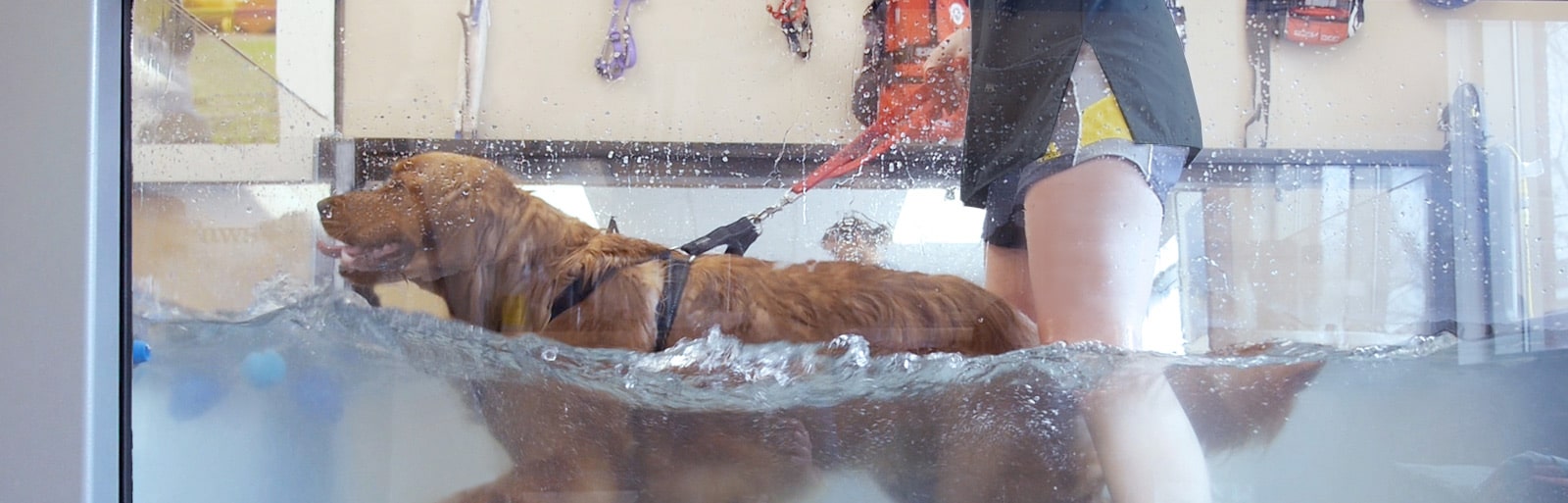
Whether after surgery or during the life of your pet, physical disorders can arise. Our technicians will accompany you in the various treatments and programs adapted to the situation.

Alternative Medicine

Why consult in alternative medicine?

Complementary therapies can be used in conjunction with conventional medicine to enhance the treatment of difficult cases.

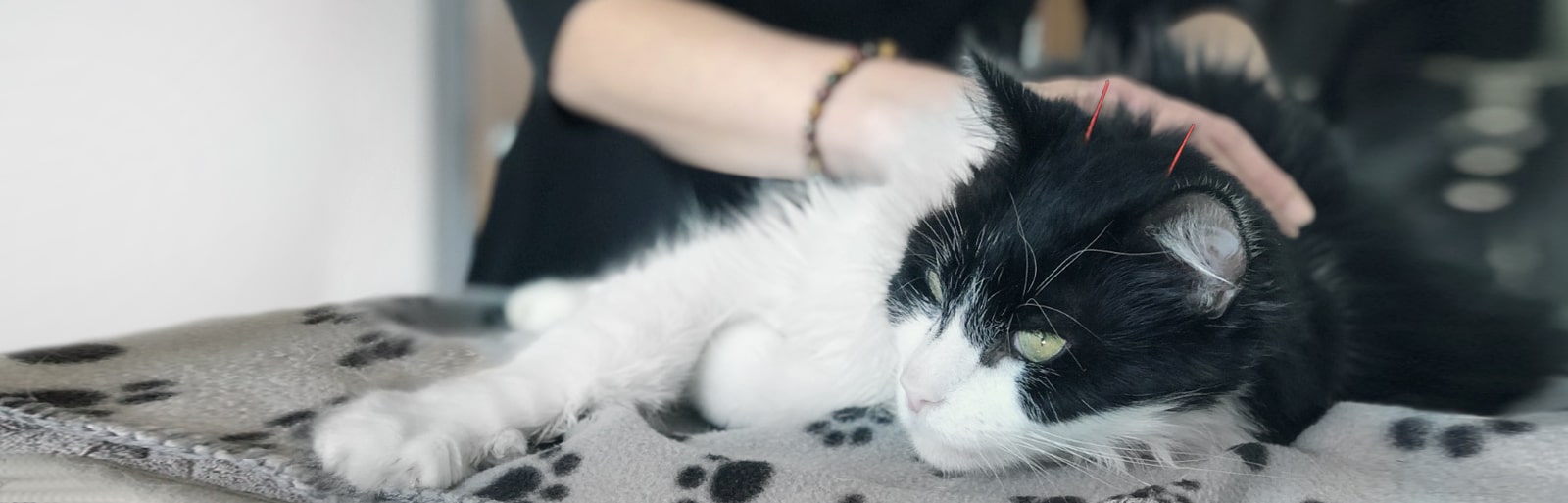
Acupuncture is used to treat several metabolic, nervous or locomotor disorders. It stimulates the nervous, blood, lymphatic and immune systems.

Frequently asked questions

What is alternative medicine in veterinary care?

Alternative medicine involves complementary therapies that can be used alongside conventional veterinary medicine to enhance the management of certain conditions. 

What alternative medicine services do you offer?

Vet et Nous offers veterinary acupuncture treatments. 

When can acupuncture be used?

Acupuncture may be incorporated into the management of certain musculoskeletal, neurological, or metabolic disorders, depending on the animal’s condition and individual needs. 

Does acupuncture replace traditional veterinary treatments?

No. Acupuncture is used as a complementary approach and may be integrated into a treatment plan that includes other conventional veterinary interventions. 

Can all animals receive acupuncture treatments?

Every patient is different. An evaluation helps determine whether this approach is appropriate based on your pet’s condition, overall health, and specific needs.